Red Light Therapy and Stroke Recovery: Promising, But Still Under Investigation
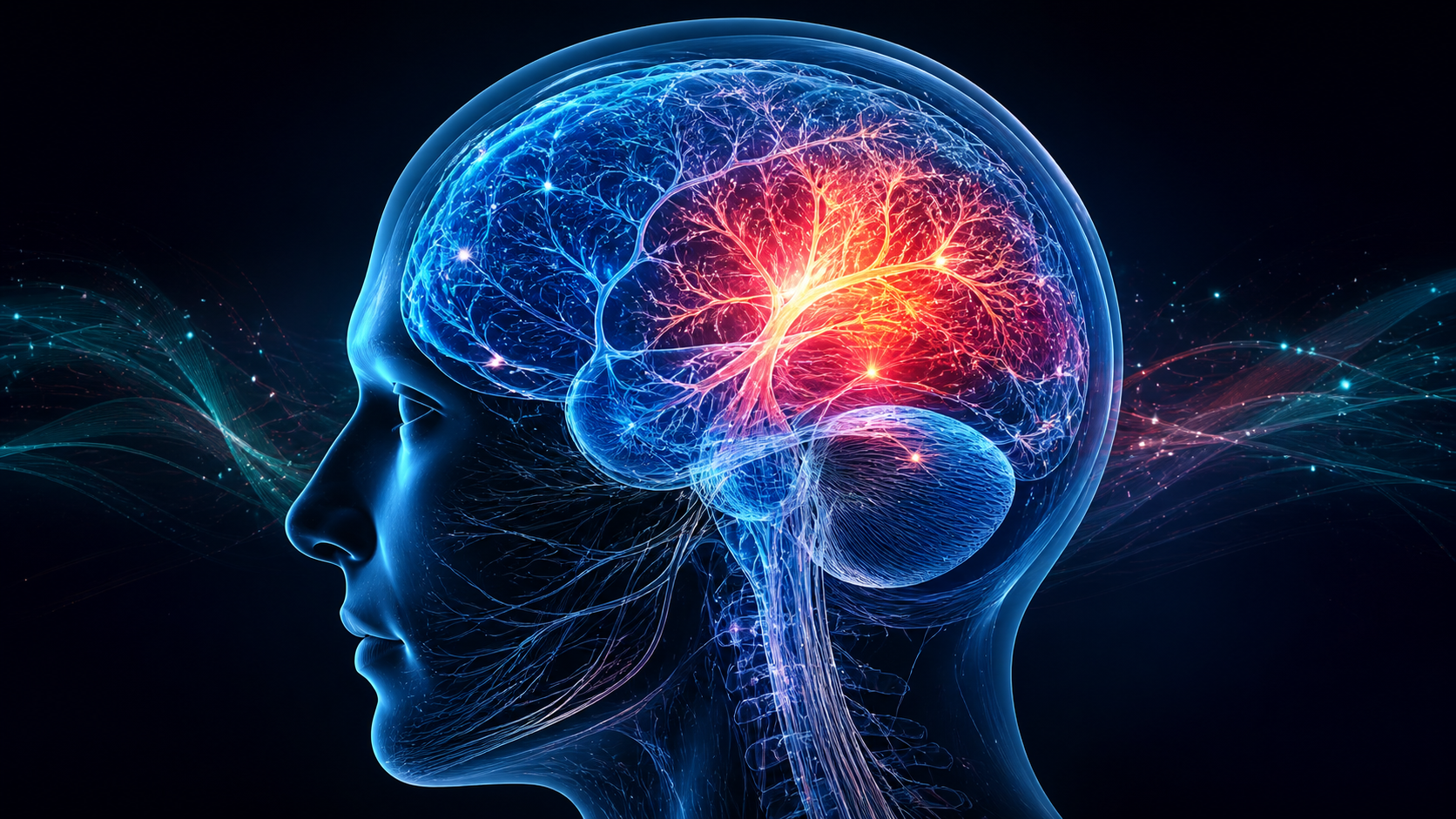
We aren’t making any claims in this article; we are simply sharing research.
Can red light therapy support brain recovery?
In this blog post, we’ll explore its potential role in stroke rehabilitation, current treatment approaches, and what the latest research reveals.
A stroke can change life in an instant. I’m sure you’ve witnessed it happen to people around you, perhaps close enough to feel the impact?
One moment, a person is laughing, speaking, and moving freely; the next, they’re trapped in a body that no longer responds the way it used to. What makes it even harder is that loved ones often feel powerless to help in the recovery process. Then come the lingering effects—challenges with movement, speech, memory, and more. The life you once had feels distant, and the desire to reclaim it becomes overwhelming.
A stroke can feel like a nightmare you can’t wake up from.
But there is hope.
Enter red light therapy.
This gentle, non-invasive treatment is showing promise in supporting stroke recovery. In this article, we’ll walk through all the published human studies on red light therapy and its potential role in stroke rehabilitation.
Stroke 101: What the Science Says
Let’s take a closer look at the most recent scientific research on strokes. We can focus specifically on studies that summarize and synthesize existing research to provide a broader understanding of the topic.
But first, let’s cover the basics:
What Is a Stroke?
A stroke occurs when blood flow to a part of the brain is either severely reduced or completely blocked. This interruption deprives brain tissue of essential oxygen and nutrients, often resulting in significant damage.
There are two primary types of strokes:
- Ischemic stroke: This occurs when a blood vessel is blocked—often by a clot—and accounts for about 85% of all strokes.
- Hemorrhagic stroke: This type results from bleeding within the brain.
When blood flow is disrupted, certain parts of the brain can no longer function properly, leading to symptoms. The specific symptoms experienced depend on the area of the brain affected by the stroke.
“Thrombotic blockage in the brain results in ischemic stroke, which induces neuroinflammation (1). During neuroinflammation, astrocyte activity mediates the inflammatory response and causes tissue damage (2).”(31)
If a stroke occurs in the brainstem, the most evolutionarily ancient part of the brain, it can disrupt essential life functions such as breathing, swallowing, eye movement, and heart rate. In severe cases, it may even lead to complete paralysis. In contrast, a stroke affecting the frontal lobe, where the prefrontal cortex resides (often referred to as the "CEO of the brain"), can impair decision-making, personality, and behavior.
Following a stroke, the brain begins a natural recovery process. Actively engaging the brain and body during this early phase is critical, as the greatest potential for healing occurs shortly after the event. As time passes, the brain's capacity for recovery tends to decline.
Now, let’s explore what leads to a stroke in the first place:
How Strokes Occur: Understanding the Risk Factors
There are numerous risk factors associated with stroke; and fortunately, many of them are within your control.
Below are some of the most significant risk factors identified in the scientific literature (3,4, 5, 6, 7, 8, 9, 10):
Age: Stroke risk increases as you get older.
Sex: Women have a slightly higher risk of stroke compared to men.
Chronic health conditions: Having other ongoing health issues is often a sign of underlying systemic imbalance, which raises your overall stroke risk.
High blood pressure and heart disease: These cardiovascular conditions are closely linked to strokes, as both clots and bleeding are tied to blood vessel health.
Atrial fibrillation (AF): This irregular heart rhythm, often involving skipped beats, significantly raises stroke risk—by 3 to 5 times (10).
Excess weight or obesity: Reducing waist circumference is one of the most effective ways to lower stroke risk.
Diabetes: One ofthe most well-established risk factors for stroke.
Smoking: A major contributor to stroke risk—simple in theory to address, but understandably difficult for many to quit.
Excessive alcohol consumption: While total abstinence isn’t always necessary, moderation is key. Research suggests that low-to-moderate intake (a few drinks per week) is linked to the lowest overall mortality. However, like with smoking, many people struggle to maintain moderation.
Air pollution: Linked to approximately 14% of strokes globally (5). If you live in an area with poor air quality, using an air purifier may be a worthwhile investment.
High-altitude living: Residing at elevations above 10,000 feet may increase stroke risk.
Gut dysbiosis: Imbalances in gut bacteria may influence systemic inflammation and vascular health.
Systemic infections: Ongoing or severe infections can trigger inflammatory processes that elevate stroke risk.
Sleep apnea: A multifaceted risk factor often linked to airway obstruction, sometimes caused by structural issues like improper jaw development.
Family history (genetics): A genetic predisposition to stroke can increase risk, especially if close relatives have experienced cardiovascular events.
Recognizing the Signs of a Stroke
Stroke symptoms typically appear suddenly, as the blockage or bleeding in the brain begins at a distinct moment in time.
Common signs of a stroke include:
- Sudden weakness or numbness, often affecting one side of the body
- Difficulty speaking or slurred speech
- Sudden vision loss
- Confusion or trouble understanding others
- Severe headache (more commonly associated with hemorrhagic strokes)
- Loss of coordination or balance
- Drooping or reduced muscle tone on one side of the face
If you notice any of these symptoms in a loved one, or even a stranger, especially if multiple signs are present, call emergency services immediately.
Prompt medical attention is critical. During transport or upon arrival at the hospital, specific medications may be given to help reduce the impact of the stroke (11; 12). Diagnostic tools like CT and MRI scans are used to determine the type of stroke, followed by additional tests to evaluate heart and vascular health. Based on the findings, targeted treatments are administered to help minimize long-term damage.
Brain Recovery Basics and What to Expect Long-Term
Long-term rehabilitation typically begins soon after the stroke event (13). This often includes physical therapy, which starts almost immediately—along with speech therapy to restore communication skills, and cognitive rehabilitation to address any impairments in thinking or memory. Preventing a second stroke is also critical, as recurrence rates range from 5% to as high as 50% (14).
Strokes frequently result in lasting effects. Here’s what a recent review had to say about those long-term consequences:
"One of the most clinically relevant aspects of the chronic sequelae of stroke is its extended negative effect on cognition. Cognitive impairment may be related to the deterioration and dysfunctional reorganization of white matter seen at later time points after stroke, as well as ongoing progressive neurodegeneration. The vasculature of the brain also undergoes significant insult and remodeling following stroke, undergoing changes which may further contribute to chronic stroke pathology. While inflammation and the immune response are well established drivers of acute stroke pathology, the chronicity and functional role of innate and adaptive immune responses in the post-ischemic brain and in the peripheral environment remain largely uncharacterized." (15)
Depression is a common after-effect of stroke, and understandably so (16). Yet, there are also encouraging advancements on the horizon. For example, artificial intelligence is beginning to revolutionize stroke care and management (17). In addition, progress continues across other areas, including diagnostics, medications, and therapeutic strategies.
Among these emerging therapies is red light therapy, which shows promising potential.
Red Light Therapy and its Role in Stroke Recovery
Research on photobiomodulation therapy (PBMT) has shown promising effects in several neurological injury models, including neonatalhypoxia-ischemia (18), spinal cord injury (19), and stroke. In stroke-related studies, PBMT has been associated with reduced damage to neurons and their connections (20). For example, researchers found that after a photothrombotic stroke, levels of MAP2, a protein linked to healthy neurons, and synaptophysin, a protein involved in synaptic communication, were significantly decreased. After seven days of PBMT, these markers improved, suggesting that PBMT may help protect dendrites and synapses in the area surrounding the stroke injury (20). Other research has also reported that PBMT helped reduce stroke-related neuronal damage, decrease the size of the infarct area, and improve behavioral outcomes in animal models. These findings suggest that PBMT may support brain recovery after stroke by helping preserve neural tissue and potentially calming some of the inflammatory processes that contribute to further damage.
So what exactly does red light do for the brain?
Enhanced mitochondrial function and energy production: Red light therapy is widely believed to boost the production of adenosine triphosphate (ATP), the primary energy source for cells, resulting in increased energy availability and better physical and cognitive performance. While some researchers debate the exact mechanisms, improved mitochondrial performance remains a widely accepted outcome. (21)
Improved cerebral blood flow: This effect is straightforward, better blood circulation means more oxygen and nutrients delivered to brain tissue.
“According to preclinical studies, PBM can widen blood vessel diameter, elevate NO levels in the brain, and enhance CBF [22,23,24]. Hence, it can be inferred that targeted PBM therapy on specific brain regions may influence regional CBF (25).” (26)
Reduced inflammation and oxidative stress: These two processes are closely linked, and when elevated long-term, they contribute to cellular damage and chronic disease. Red light therapy may help bring both back into balance. Research shows that red light therapy can help by lowering the production of reactive oxygen species (ROS) and boosting levels of endogenous antioxidants, including superoxide dismutase (SOD) and glutathione peroxidase (26). These effects help safeguard mitochondria from damage, support cellular health, and may lower the risk of developing chronic diseases. (27, 28, 29)
Improved Mood and Reduced Anxiety
Boosting ATP production and lowering oxidative stress can also support improved mental health. In a clinical study involving individuals with major depression, red light therapy (with proper protocols) led to significant improvements in depression scores compared to those in the placebo group. (30)
Increased Brain-Derived Neurotrophic Factor (BDNF): BDNF supports the growth of new neurons and synapses. This protein is especially important in stroke recovery, where brain repair and neuroplasticity are critical. (29)
Enhanced brain detoxification: The glymphatic system, responsible for clearing waste from the brain, has gained major attention in recent years. It works primarily during deep sleep, and red light therapy may support its function by improving overall brain health and sleep quality. (29)
Promoting brain repair: Red light therapy may support the activity of stem cells and glial cells—both of which play key roles in repairing and regenerating brain tissue. This effect is especially critical in the context of stroke recovery. (29)
Research on photobiomodulation therapy (PBMT) has shown promising effects in many neurological injury models, including neonatal hypoxia-ischemia(18), spinal cord injury (19) and stroke.
In stroke-related research, PBMT has been linked to reduced injury in neurons and the connections between them (20). In one photothrombotic stroke model, researchers observed that MAP2, a protein associated with healthy neuron structure, and synaptophysin, a protein involved in synaptic communication, were both significantly reduced after stroke. However, after seven days of PBMT, these markers improved, suggesting that PBMT may help protect dendrites and synapses in the brain tissue surrounding the stroke injury (20).
Additional animal research has also found that PBMT ma yhelp lessen stroke-related neuronal damage, reduce infarct size, and improve behavioral outcomes. Together, these findings suggest that PBMT may support post-stroke brain recovery by helping preserve neural tissue and potentially influencing inflammatory processes that can contribute to further damage.
Future Directions in Stroke Rehabilitation Using Light Therapy
Many of the studies tend to be positive when addressing post-stroke light therapy.
As such, further research is critically needed. This includes more high-quality RCTs, larger sample sizes, and well-defined treatment protocols. Additionally, studies should isolate red light therapy as the sole intervention, rather than combining it with other treatments like magnetic fields, so we can accurately determine its specific effects.
There’s also a need for more studies using straightforward, accessible red light therapy models, especially those that can be used safely at home. It’s unfortunate that many current studies rely on highly specialized equipment not available to the average patient, despite the fact that user-friendly devices like the LZR UltraBright LED are now widely accessible.
Overall, red light therapy presents a compelling area of exploration in stroke rehabilitation.
Conclusion: We Need Much More Research on Light Therapy for Stroke—Let’s Make It Happen!
With any luck, we’ll begin to see a surge of high-quality studies on this topic in the near future. While promising results have already emerged in areas like fibromyalgia, migraines, and Parkinson’s disease, stroke recovery continues to be lacking in sufficient human-based research.
That said, the existing evidence is compelling enough that many would consider red light therapy a worthwhile tool in post-stroke care—always with guidance from a healthcare professional.
The outlook is promising! Red light therapy continues to shine as an exciting frontier in brain health and neurorehabilitation.