Red Light Therapy for Thyroid Health: Shining a Light on the Science
We aren’t making any claims in this article; we are simply sharing research.
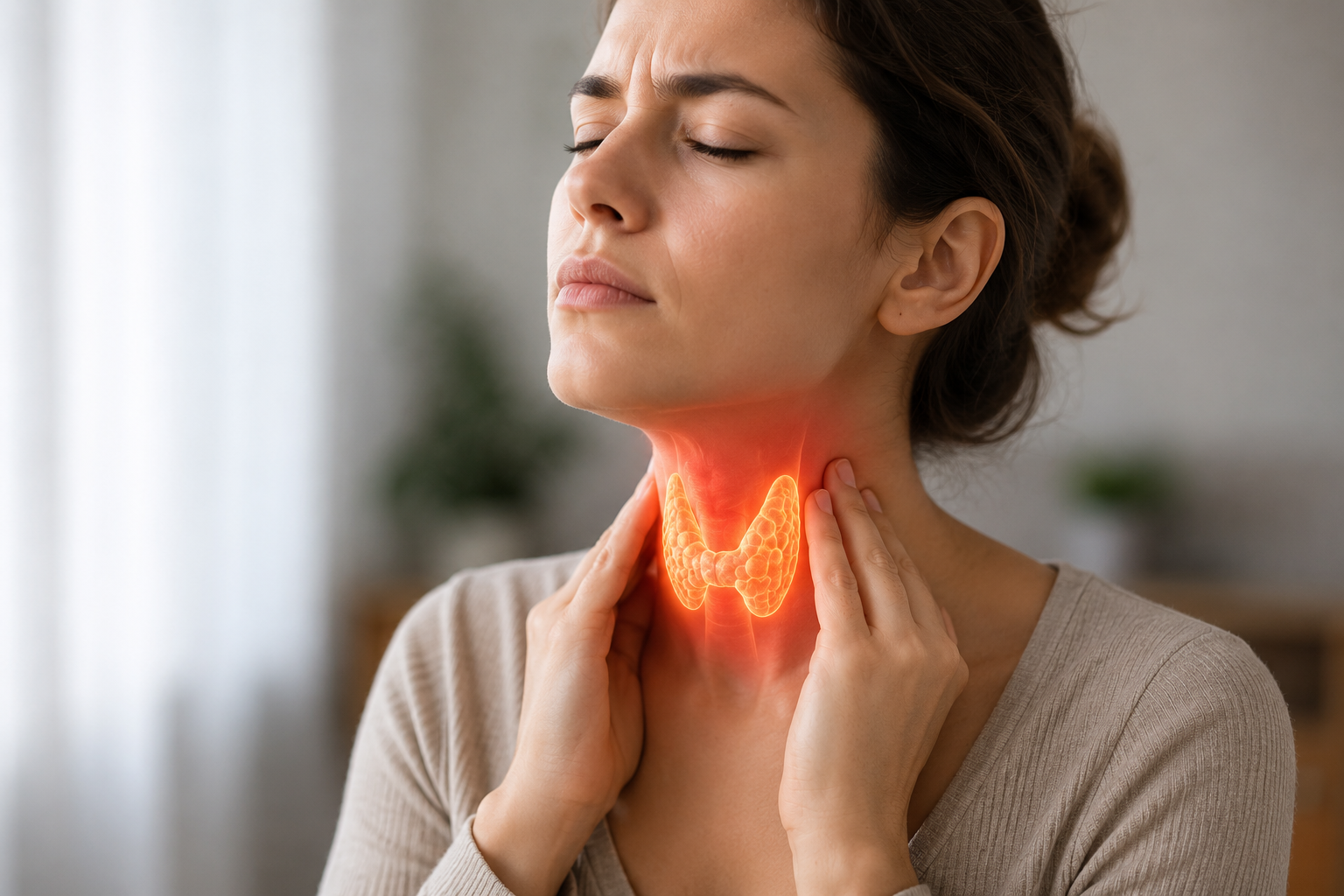
Red light therapy is emerging as a fascinating area of research for thyroid health. Discover how it may support energy levels and help manage symptoms associated with both hypothyroidism and hyperthyroidism.
Hypothyroidism, often described as a “slow thyroid,” is far from an abstract diagnosis. It can noticeably drain energy, promote weight gain, disrupt other hormones, cloud thinking, and leave the body feeling unusually cold.
In many ways, the thyroid acts like a central dial for energy regulation. When it turns down, the entire system feels it. The biology is far more complex than a single switch, of course, but the metaphor holds.
Here’s the encouraging part.
Red light therapy has built a strong and growing research record in the context of hypothyroidism. The evidence is less developed for hyperthyroidism, where the thyroid is overactive, but that area is still under investigation. As with most endocrine topics, the thyroid’s interactions with the rest of the body are intricate, and the science continues to evolve.
This article reviews the available human research on red light therapy and hypothyroidism. The goal is to clarify what the science suggests about its potential role in supporting thyroid function, energy levels, temperature regulation, and common skin-related concerns associated with an underactive thyroid.
Introduction: Why Thyroid Health Matters More Than You Think
The thyroid plays a foundational role in overall health. While public awareness of thyroid function has improved compared to a decade ago, there is still much to learn and understand.
Few figures have influenced modern discussions on thyroid health as strongly as the late health researcher Ray Peat. Through extensive writing, Peat emphasized the central importance of thyroid function and argued that hypothyroidism, often described as a “slow” thyroid, is far more widespread in modern society than commonly recognized (1; 2; 3).
The sections that follow take a closer look at these ideas and how they relate to current thinking on thyroid health.
Thyroid Function: The Engine Behind Energy Metabolism
The thyroid functions much like the ignition for metabolism. When it operates well, the body burns energy more efficiently and overall health tends to follow. A core idea emphasized by Peat is that stronger thyroid function allows the body to produce more usable energy.
Energy underpins every biological process. Without it, life would cease almost immediately, as mitochondria would no longer generate the electrochemical energy required to sustain cells (4). Higher energy availability generally aligns with better resilience and health, while chronically low energy reflects a system under strain.
The thyroid sits at the heart of the body’s energy-producing systems. When energy production is sufficient, many disease processes are less likely to take hold. This concept overlaps closely with mitochondrial health, since mitochondria are the cellular structures responsible for generating energy and play a central role in preventing most modern, non-genetic diseases.
That said, thyroid health is highly complex. It is shaped by a wide range of interacting factors, far too many to list comprehensively. Some of these will be revisited shortly, but one stands out as especially influential: adequate energy intake, with carbohydrates in particular playing a key role.
Some individuals do thrive on low-carbohydrate or carnivore-style diets, but these approaches are not universally effective. From an evolutionary perspective, early human diets, particularly in equatorial regions, were typically rich in carbohydrates sourced from fruits, honey, tubers, and similar foods (5). For survival, hunter-gatherer populations would not have deliberately excluded carbohydrate-rich foods.
This perspective aligns closely with Peat’s views, which emphasize carbohydrates as a preferred fuel for overall metabolic and thyroid health (6). In contrast, prolonged ketosis or strict carbohydrate avoidance, especially when combined with limited protein intake, has been associated with metabolic states resembling starvation and may not support optimal human physiology over the short to mid term (7).
Next, it’s helpful to understand how thyroid function can be properly assessed. This area relies heavily on laboratory testing, and despite its importance, it remains widely misunderstood by many people:
Understanding Thyroid Testing
One of Peat’s core arguments is that standard thyroid lab panels are often inadequate (8; 9). Until fairly recently, many labs focused almost exclusively on measuring TSH, a practice that still creates confusion today.
TSH, or thyroid-stimulating hormone, reflects how much signal the pituitary gland is sending to the thyroid. Its role is indirect: TSH tells the thyroid to produce the hormones T4 and T3. Of these, T4 is largely inactive and must be converted into T3, the biologically active hormone that actually drives metabolic effects in the body.
Because of this, a normal TSH result or treatment with T4 alone does not necessarily confirm that the thyroid system is functioning optimally. Without assessing downstream hormone activity, it’s impossible to know whether thyroid signaling, conversion, and tissue-level effects are truly aligned.
And the reason why is that it doesn’t show whether the body has adequate T3 or whether that T3 is functioning properly at the tissue level.
Jay Feldman, widely regarded as one of the leading authorities on Ray Peat’s work today, describes this dynamic as follows:
"So, when T3 and T4 are low, as in the low-energy state, or “low-battery mode,” TSH is generally higher. The opposite is generally true in the high-energy state, or “high-performance mode.”
TSH levels seemed like a good indicator of hypothyroidism based on the above process. So, once it could be easily measured with a blood test, it became the standard diagnostic measure for hypothyroidism. In the meantime, the other symptoms and diagnostic tests became more or less forgotten.
However, TSH is a much less direct measure of thyroid and metabolic status, so it is not as well correlated with thyroid function. For example, infections, caffeine, and chronic stress can all lower TSH, even if the thyroid hormones are low. In other words, your TSH can be within the “normal range,” and you can still be in a hypothyroid state." (9).
In this context, hypothyroidism doesn’t simply mean a “slow” thyroid, but rather a thyroid system that isn’t functioning efficiently and disrupts metabolic processes.
The full picture is more complex than a brief explanation can capture. In simplified terms, testing T4 reveals how much inactive thyroid hormone is circulating, while measuring T3 provides insight into how much active thyroid hormone is actually available to drive metabolism throughout the body.
What are the consequences of this limitation?
If testing is limited to TSH or T4, there’s no clear indication of whether the thyroid hormone system is truly functioning, since T3 activity remains unknown. Likewise, treatment with T4 alone offers no certainty that the body is efficiently converting that hormone into the active form, T3.
For this reason, Ray Peat argued that many individuals maybe living with significant thyroid dysfunction without realizing it. While treatment with a combined T4 and T3 medication can improve symptoms for some, it is often not a complete solution. In certain cases, T3 alone may be more effective, as combined therapies do not work optimally for everyone.
And the story doesn’t end there.
Light exposure also appears to play an important role in this broader picture. Before exploring that connection, it’s helpful to first clarify what hypothyroidism is and why it matters.
Hypothyroidism
According to Peat, hypothyroidism, or reduced thyroid function, may sit beneath a broad spectrum of chronic conditions, including (10):
- Accelerated aging
- Persistent fatigue
- Depression and low mood
- PMS and fertility challenges
- Fibrotic tissue changes
- Insulin resistance, often associated with diabetes
- Cardiovascular disease
- Weakened immune function
- Degenerative neurological conditions
- And many related issues along the same spectrum
As a result, impaired thyroid function has been associated with a wide range of chronic conditions, excluding those that are purely genetic and present from birth. Poor thyroid health is also closely linked with chronic stress (11).
Long-term psychological stress on its own can suppress thyroid function, creating a negative feedback loop: stress lowers thyroid activity, reduced thyroid output slows metabolism, and a slower metabolism can further intensify stress.
Taken together, these interactions highlight why avoiding hypothyroidism is so important. Common signs and symptoms of reduced thyroid function include (12; 13; 14):
- Persistently low energy
- Feeling cold most of the time, especially in the hands and feet
- Poor tolerance to cold temperatures
- Weight gain and increased body fat
- Water retention, including facial puffiness
- Difficulty sleeping
- Mental fog or reduced clarity
- Low mood, apathy, or lethargy
- Constipation
- Thinning hair
- Dry or rough skin
Peat also suggested that a low resting heart rate and a weak or slow pulse may be additional signs of reduced thyroid function.
These symptoms aren’t always apparent, especially in subclinical cases where symptoms can be subtle or intermittent. Even so, checking T4 and T3 levels through lab testing, along with monitoring body temperature or overall heat tolerance, can offer useful insight into whether thyroid function may be reduced.
When low energy, depression, or anxiety persist over time, it’s wise to look deeper and search for underlying contributors. Hypothyroidism may not be the sole cause, but it’s an important factor to rule in or out. Thyroid testing is widely accessible and relatively inexpensive in most parts of the world, making it a practical step in a broader health assessment.
Now, let’s take a look at how mainstream science approaches this topic:
The Conventional Medical Perspective on Hypothyroidism
Some mainstream medical publications acknowledge that a significant number of people may be subclinically hypothyroid (15), which is a positive shift, as it suggests a broader recognition of the issue is beginning to take shape.
Autoimmune disease, particularly Hashimoto’s thyroiditis, along with insufficient iodine intake and related selenium deficiency, are often cited as the primary causes of hypothyroidism (16). While these factors certainly play a role, this explanation can be overly simplistic. If Peat’s framework holds true, then many individuals in developed countries, despite adequate iodine consumption, may still experience impaired thyroid function.
Still, not all research brings us to the same conclusion, and a newer study suggest a different perspective:
"The diagnosis of hypothyroidism is based on laboratory tests that measure the levels of thyroid hormones (T3 and T4) in the blood. Treatment typically involves life long hormone replacement therapy with synthetic thyroid hormone replacement medication, such as levothyroxine, to help regulate hormone levels in the body. People with hypothyroidism may need to have their medication dosage adjusted over time. If hypothyroidism is left untreated, it can lead to severe complications like mental retardation, delayed milestones, etc., in infants and heart failure, infertility, myxedema coma, etc., in adults. With appropriate treatment, the symptoms of hypothyroidism can be effectively managed, and most people with the condition can lead normal, healthy lives. Lifestyle modifications like eating healthy food and exercising regularly can help manage the symptoms and improve the quality of life." (17).
And another writes:
"After normalization of TSH and [T4] concentrations, a considerable proportion of patients treated with LT4 continue to have persistent complaints, compromising quality of life." (18).
Promising progress is being made. The focus is no longer limited to TSH alone or to treating with T4 in isolation, and thyroid dysfunction is increasingly recognized as a serious issue with wide-ranging health effects and meaningful impacts on quality of life.
"To date, overall mortality, cardiovascular morbidity and mortality, bone health and cognitive function have been evaluated as end points in clinical outcomes studies in patients with treated hypothyroidism. More recent investigations have sought to establish the relationships between these end results and thyroid function during the treatment course. In addition to clinical event outcomes, patient-reported quality of life (QoL) has also been considered in the assessment of adequacy of hypothyroidism treatment." (19).
There is also growing attention on the role of vitamin D in thyroid health (20), as well as the connection between gut dysbiosis and thyroid function (21). As a result, conditions such as Parkinson’s disease, gastrointestinal dysfunction, movement disorders, and thyroid imbalance are increasingly viewed as interconnected rather than isolated issues (22). Interestingly, many skin conditions—often a reason people turn to red light therapy in the first place—can also be signs of underlying hypothyroidism (23).
Even so, from Peat’s perspective, most research still underestimates how widespread hypothyroidism may be. Current studies suggest that about 2.5 percent of the global population is affected (24). This sharply contrasts with Peat’s view that a much larger portion of humanity may experience impaired thyroid function, even though he never assigned a specific number. The gap between these view points remains substantial.
Hyperthyroidism
A growing body of literature has also focused on hyperthyroidism, often described as an “overactive” or excessively fast thyroid (25; 26; 27; 28; 29). That label can be misleading, since the issue typically involves more than the thyroid gland alone and reflects broader system-level imbalances rather than a single isolated problem.
According to conventional estimates, roughly 2.5 percent of the global population is affected by hyperthyroidism (25; 26). Combined with hypothyroidism figures, this suggests that about 5 percent of people worldwide experience some form of thyroid disorder, even within mainstream medical literature.
A review that brings together findings from earlier studies reports:
"Hyperthyroidism [...] is associated with osteoporosis, heart disease, and increased mortality. First-line treatments are antithyroid drugs, thyroid surgery, and radioactive iodine treatment. Treatment choices should be individualized and patient centered." (25)
Peat’s view is that hyperthyroid patterns often arise in the context of excessive psychological stress, nutritional deficiencies, and hormonal imbalances such as elevated estrogen, rather than from an isolated thyroid problem alone. From this perspective, aggressive interventions like medication or surgery may not be ideal as first-line approaches. In contrast, much of conventional medical practice tends to focus primarily on pharmaceutical or surgical solutions (27; 29).
Because light exposure may aggravate hyperthyroid states rather than resolve them, this topic is not explored in depth here. It’s simply worth noting that effective strategies do exist, and emerging research has begun to highlight connections between liver health and hyperthyroidism as one potential avenue of understanding and intervention (28).
Light appears to have a significant and direct influence on hypothyroidism:
How Red Light Influences the Thyroid: Starting with Hypothyroidism
First, the focus turns to hypothyroidism and red light therapy. This area has been studied far more extensively than other thyroid-related applications, as reflected in large research compilations such as Vladimir Heiskanen’s database containing over 8,000 light therapy studies (30).
The following sections review the available human studies on this topic:
- The first study reported no direct improvement in thyroid function following light therapy in patients with Hashimoto’s thyroiditis, the autoimmune form of hypothyroidism (31). In this trial, participants received only six treatment sessions over a three-week period, and the treatment parameters were not described in much detail. Even so, measures of oxidative balance and quality of life showed improvement, despite the lack of change in thyroid hormone output. Unfortunately, the limited reporting makes the findings difficult to interpret fully and to know whether the protocols used would’ve even been effective if properly administered.
- A separate study, also involving six treatment sessions over three weeks in individuals with Hashimoto’s thyroiditis, produced more encouraging results for thyroid function itself (32). In that trial, an 820 nm laser was applied for 20 seconds at six distinct points over the thyroid gland, delivering a dose of 32 J/cm². The researchers describe the outcomes as follows:
"Our findings showed significant improvement in group 1 parameters ([red light therapy] + supplements) compared with group 2 (supplements only) in terms of weight loss and reduction in the following parameters: BMI, hip and waist circumference, waist/hip ratio, TSH, [thyroid antibodies showing autoimmunity] and treatment dose of [T4 hormone] (p <0.05). Our results, for the first time, demonstrated an efficacy of PBM delivered at a lower fluence with supplements in restoring thyroid function, anthropometric parameters and lifestyle factors in patients with [Hashimoto'sThyroiditis] (32).
- In the above study, supplementation with T4, vitamin D₃, and selenium was provided when indicated. Both the treatment and control groups received these supplements as needed, yet the group receiving light therapy showed markedly greater improvements.
- Another study involving patients with Hashimoto’s thyroiditis used 850 nm light at a dose of 28.57 J/cm² (33). Once again, both the intervention and control groups were given appropriate supplements. The researchers report the following findings:
"As we compare both groups, the increase in T3 levels and T3/T4 ratio was markedly superior in Group 1 [which received light therapy] (p = 0.0001). The decrease in thyroid peroxidase antibody (TPO Ab) levels was also significantly different between both groups (p = 0.0001). Hormone replacement needs were also significantly decreased in Group 1 compared with Group 2 (p = 0.03). [Red light therapy] is 70 times more effective in increasing T3/T4 ratio (p = 0.001) and 15 times more effective in decreasing levothyroxine dosage" (33).
In these findings, light therapy was associated with reduced reliance on medication such as T4, lower antibody levels indicating decreased autoimmune activity, and improved overall thyroid function. The improved T3-to-T4 ratio suggests more efficient conversion of inactive T4 into active T3, a particularly notable outcome.
Another study reported similarly strong results in patients with autoimmune thyroiditis (34). In that trial, light therapy allowed for a reduction in T4 medication, and follow-up data illustrated that these benefits were remarkably long-lasting, as shown in Figure 2 of the publication (35).
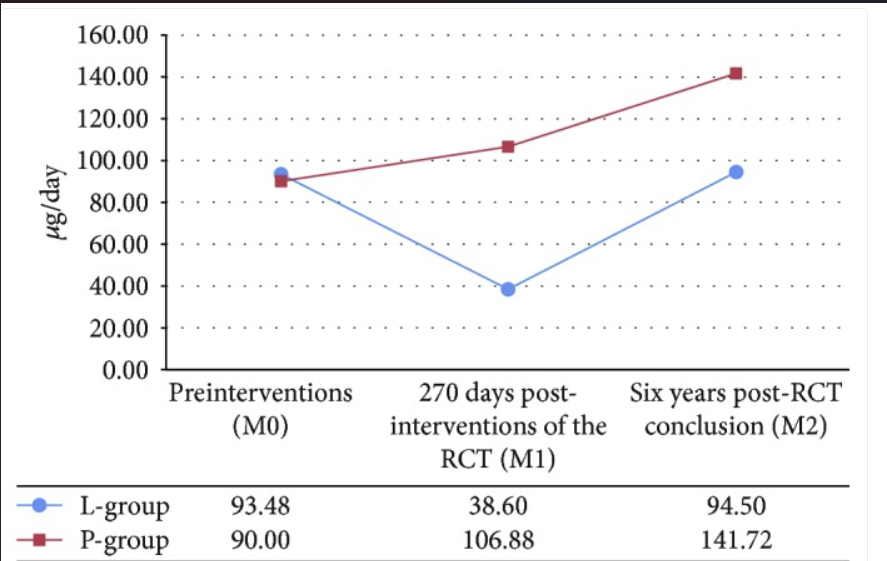
- In this context, the L group refers to the light therapy group, while the P group represents the placebo group. Notably, medication use in the light-treated group was reduced by more than half 270 days after the treatment period. The protocol involved a relatively high dose of 707 J/cm², delivered at 830 nm across multiple thyroid points, administered ten times over five weeks. Antibody levels did not change in this trial, however. This study also served as a follow-up to earlier work conducted by the same research team, which is discussed shortly.
- Another publication from this same group reported reduced immune activity, reflected by improvements in inflammatory biomarkers measured one month after treatment (36).
- The research team’s original study using 830 nm light at a dose of 707 J/cm² applied to the thyroid provides additional insight (37). In that trial, light therapy enabled a reduction in T4 medication to nearly one-third of the original dosage. Several antibody markers also declined, suggesting a reduction in autoimmune activity following treatment.
- In a subsequent analysis involving the same participants, the team reported that thyroid blood flow returned to more normal levels after light therapy, further supporting its physiological impact on thyroid function (38).
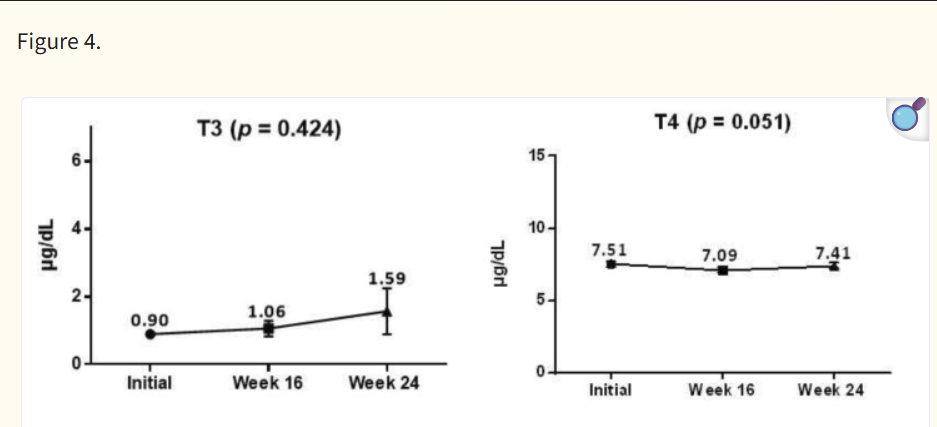
- One additional human study found that using an LED device around the neck, targeting the thyroid region, led to improvements in overall skin outcomes (39). The device emitted both 630 nm and 850 nm light at a power density of 25 mW/cm². Researchers monitored thyroid function closely, anticipating the possibility of negative effects due to daily use, but no adverse thyroid changes were observed.
- Even more noteworthy is that T3 levels nearly doubled over the 24-week treatment period (40).
Human Research Highlights: Thyroid benefits from Red Light Therapy
Taken together, these human studies, alongside earlier findings, indicate that red light therapy can meaningfully increase T3 levels, improve the T3-to-T4 ratio by enhancing hormone conversion, and in many cases allow for substantial reductions in T4 medication—often on the order of 50 to 66 percent.
Hyperthyroidism vs. Hypothyroidism: Why the Difference Matters
In cases of hyperthyroidism, greater caution is warranted when considering red light therapy. It may even be advisable to shield the thyroid area if using devices that illuminate large portions of the body, such as full-size panels.
At present, there is no direct research examining red light therapy in hyperthyroid conditions, so any conclusions are necessarily speculative. Based on plausible biological mechanisms, a conservative approach would be to avoid direct light exposure to the thyroid in this context. If red light therapy is used for other purposes, covering the neck area with a thick, black towel or type of material can help prevent light from reaching the thyroid region.
On the other hand, most hypothyroidism studies have used relatively high doses, so it isn’t automatically clear that typical red light therapy use would overstimulate thyroid activity. There is also a possibility that red light therapy could support factors often involved in hyperthyroid states, such as elevated stress hormones or impaired liver function.
For this reason, a cautious, closely monitored approach maybe appropriate in some cases, with careful attention paid to individual responses and symptoms.
Using Red Light Therapy for Thyroid Health: Practical Guidance
Current evidence suggests that near-infrared wavelengths are the most consistently effective in thyroid-focused studies. These protocols often use relatively high doses, commonly beginning around 30 J/cm² and increasing well beyond that range.
Some laser-based studies have applied doses exceeding 700J/cm², but these lasers treat very small, precise areas. When translating those findings to LED devices, which typically illuminate a broader region including surrounding tissue, much lower upper limits are likely appropriate. A conservative estimate would be to remain below roughly 200 J/cm², though this is only a general guideline rather than a fixed rule.
Because the vast majority of people do not have access to the specialized lasers used in research settings, and instead rely on LED-based systems, practical application requires a different, more adaptable approach.
A more relatable option would be a handheld LED device that could be used in the comfort of your own home such as the LZR Ultrabright LED device.
Handheld devices such as the LZR Ultrabright LED make it possible to target the thyroid area with precision. Below is a schematic illustration of the thyroid, highlighting the specific region typically addressed during treatment:
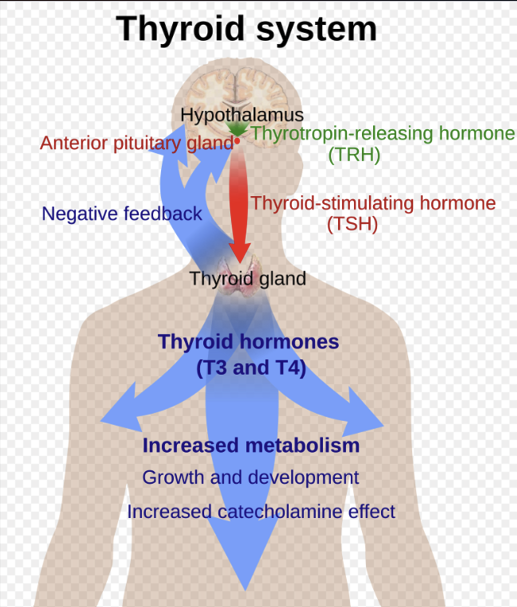
In reality, the thyroid sits slightly higher than it may appear in the image. While illustrations sometimes place it near the collarbone, the gland is actually located roughly halfway between the collarbone and the lower jaw, around the level of the Adam’s apple in men.
It’s also worth noting that several studies have shown positive effects with doses in the range of 20–30 J/cm², meaning extremely high doses are not always necessary to see benefits.
A Holistic Approach to Thyroid Health
Earlier in this article, nutrition and broader lifestyle strategies were briefly mentioned as powerful influences on thyroid health. This section expands on that relationship in a bit more detail, while recognizing that a truly complete understanding requires deeper, independent exploration of the topic.
To begin, it’s helpful to look at several key nutrients known to play an outsized role in thyroid system function. Formal citations aren’t included here, as the supporting research is widely available, but the core connections are outlined below:
- Vitamin D: Adequate vitamin D status appears to be important for immune regulation, and insufficient levels are associated with a higher risk of autoimmune thyroid conditions.
- Iodine and selenium: These minerals are essential for thyroid hormone production and conversion. In many developing regions, deficiencies remain a concern, while in much of the developed world, intake is generally adequate. Excessive iodine supplementation is not always advisable, as poor tolerance may signal deeper metabolic or hormonal imbalances rather than a simple deficiency. Natural food sources such as fish, shellfish, dairy, and eggs provide iodine in balanced amounts. Selenium supports the conversion of inactive T4 into active T3. Historically, iodine deficiency was far more common, particularly in the 19th century and earlier, due to limited dietary diversity.
- Zinc: Plays a supportive role in thyroid hormone production and helps facilitate hormone uptake at the cellular level.
- Fluoride: Avoid it! It can interfere with iodine metabolism, which is central to thyroid function. Because more effective dental alternatives now exist, fluoride exposure can often be reduced. It’s also worth remembering that substances used in the mouth can be readily absorbed, which is why certain medications are designed for sublingual delivery.
- Iron: Required for the production of thyroid peroxidase, an enzyme involved in thyroid hormone synthesis. In many developed countries, true iron deficiency is relatively uncommon, while excess iron stores are more frequently seen, particularly in older men and postmenopausal women, making deficiency less of a concern in these populations.
- Vitamin A: Particularly in the form of retinol from animal-based foods, vitamin A helps keep TSH from becoming excessively elevated and improves cellular sensitivity to T3, allowing thyroid hormone to be used more effectively at the tissue level.
- Magnesium: Often described as an anti-stress mineral, magnesium also supports the conversion of T4 into active T3. A large portion of the population is likely deficient, even with high-quality diets, due in part to widespread soil depletion. Supplemental forms such as magnesium malate, glycinate, threonate, or citrate (when well tolerated) are commonly used. Magnesium also contributes to lowering systemic inflammation, which is frequently elevated in Hashimoto’s disease and chronic hypothyroidism.
- Tyrosine: An amino acid and building block of protein that plays a direct role in the production of thyroid hormones. In combination with iodine, tyrosine is used to form both T4 and T3. It is naturally abundant in protein-rich foods, with animal-based sources providing optimal amounts.
Even this brief overview makes it clear how many nutrients are involved in maintaining healthy thyroid function. Focusing on red light therapy alone, without addressing underlying dietary gaps, is unlikely to produce optimal results.
Unfortunately, many people in developed countries consume diets that are low in essential nutrients, increasing the risk of thyroid dysfunction over time. While it would be convenient if a few supplements or a single therapy could resolve everything, thyroid health is shaped by a far more complex set of factors.
Many of these same nutrients also support immune balance and help reduce inflammation. When deficiencies are present, which is common, the likelihood of autoimmune thyroid conditions rises. And this is only part of the picture:
- Mouth breathing: This habit can disrupt normal physiology by lowering carbon dioxide levels, which are needed for efficient oxygen delivery at the cellular level. It has also been associated with reduced conversion of T4 into active T3, potentially contributing to hypothyroid patterns. In some cases, structural issues involving the jaw or airway may need to be addressed to restore healthy nasal breathing.
- Poor sleep quality: Often linked with mouth breathing but influenced by many other factors as well, inadequate sleep can further impair the conversion of T4 into T3 and place additional strain on the thyroid system.
- Chronic psychological stress: As discussed earlier, long-term stress can suppress normal thyroid signaling, interfere with TSH regulation, and reduce the conversion of T4 into T3, compounding metabolic dysfunction over time.
- Toxin exposure: A growing concern in modern environments. Substances from air pollution, personal care products, synthetic textiles, pesticides, household flame retardants, fluoridated water, and other chemical exposures can interfere with thyroid function at multiple levels.
- Insulin resistance, chronic inflammation, and impaired mitochondrial function: These issues are closely interconnected. When cellular energy production falters and inflammation becomes widespread, as is common in many chronic conditions, thyroid signaling and hormone effectiveness are often disrupted as well.
The encouraging news is that all of these factors can be improved, especially over time. Circumstances such as shift work, financial pressure, or chronic stress may limit what can be changed immediately, but progress is still possible. Gradual adjustments can make a meaningful difference, and quality of life often improves as these pieces come together.
It’s also important not to feel discouraged about optimizing thyroid medication when needed. Exploring different approaches with appropriate guidance is reasonable, and relying on T4 alone may not always be the most effective option for everyone.
This isn’t a simple message, but it is a hopeful one.
With that in mind, it’s time to bring everything together in a final conclusion.
Conclusion: Red Light Therapy Shows Remarkable Potential for Thyroid Health
The evidence is clear: red light therapy shows strong potential for supporting thyroid health. Reported benefits include improved conversion of T4 to T3, higher circulating T3 levels, and, in many cases, a reduced need for medication.
What makes these findings especially compelling is that most studies have not even examined long-term use. Many protocols were relatively short, suggesting that longer interventions, such as consistent use over three to six months, could yield even more pronounced results.
While long-duration studies are costly and complex to conduct, the existing research is already impressive. As interest and investigation in red light therapy continue to expand rapidly, the next several years are likely to bring even clearer insights into its role in thyroid health.