The Effects of Red Light Therapy on Lymphatic System Function
We aren’t making any claims in this article; we are simply sharing research.
Introduction: Understanding the Importance of Your Lymphatic System
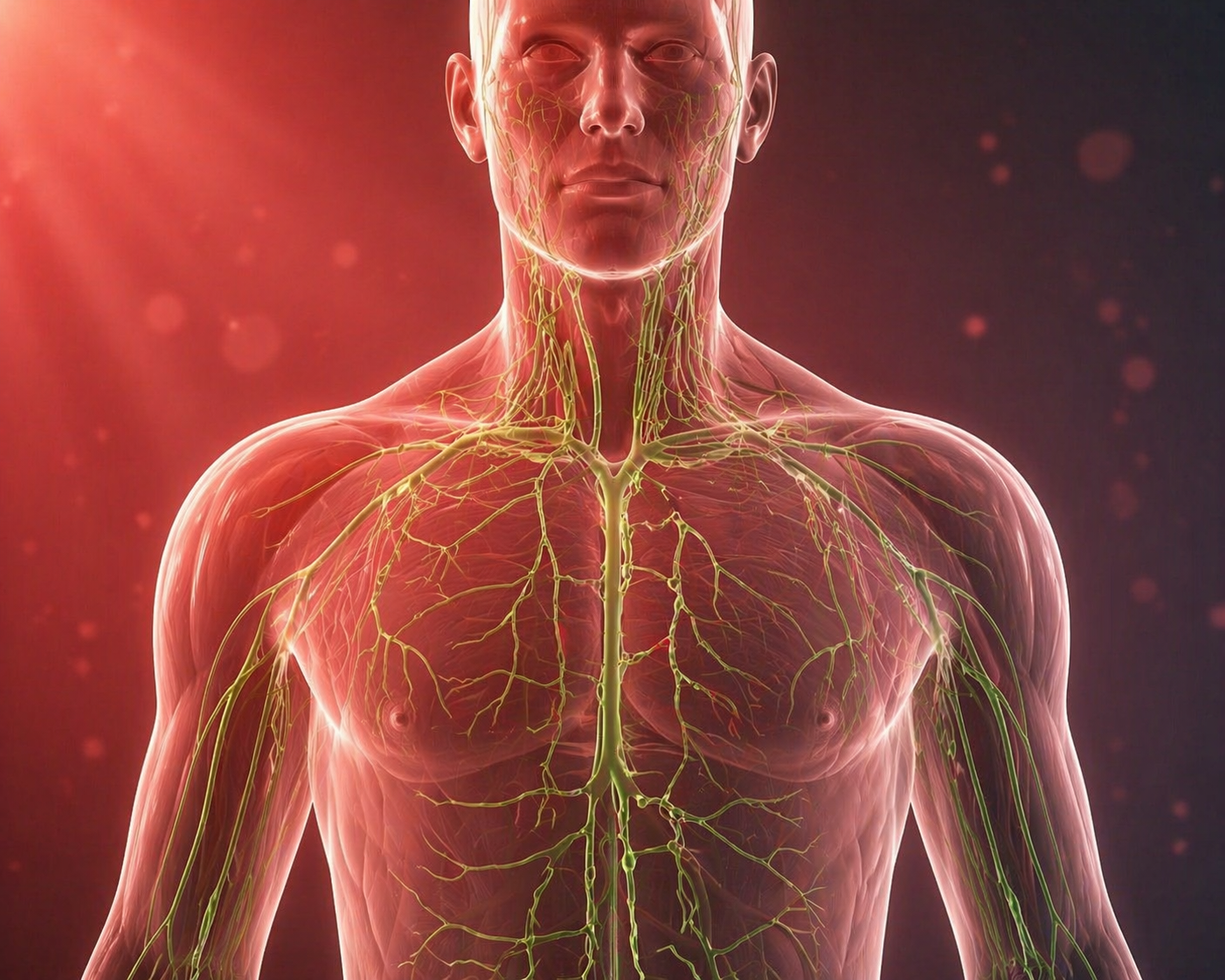
The lymphatic system is unique because it plays a role in several major biological systems, including the circulatory, immune, and metabolic systems (1; 2; 3; 4; 5; 6; 7; 8; 9). This network is composed of lymphatic fluid, vessels, and specialized cells that work together to support a variety of essential physiological processes (1). Among its primary functions, the lymphatic system helps the body absorb dietary fats, maintain proper fluid balance, and support immune defense (1). A recent review describes these processes and the system’s role in the body in the following way:
"The lymphatic vessels reabsorb interstitial fluid from the periphery to return it to the intravascular space, which prevents fluid buildup in peripheral tissues. The lymphatics allow for the immune system to function properly as it carries antigens to lymph nodes, and also carries immune cells, such as macrophages to sites of infection to begin the immune process." (1).
The lymphatic system is closely connected to many other systems in the body, including the digestive system, particularly the gut (2). It also interacts with the body’s inflammatory processes, meaning that changes in inflammation levels throughout the body can directly influence lymphatic function.
Inflammation and the immune system are tightly linked (10; 11; 12). In fact, chronic inflammation is essentially a prolonged immune response. The lymphatic system plays a key role in this process by helping immune cells travel to areas of the body where they are needed—especially where an inflammatory response is occurring. Because of this role in transporting immune cells and fluids, the lymphatic system is also closely connected with the circulatory system, particularly in peripheral tissues.
Lymphatic fluid moves through the lymphatic vessels and ultimately drains into the bloodstream. Along the way, many organs and body systems interact with the lymphatic network to help remove waste products and cellular debris. Overall, the lymphatic system is a highly complex and integrated part of human physiology. For readers interested in exploring the topic in greater detail, there is a substantial body of scientific literature available, including the reference discussed next (6).
Unlike the circulatory system, the lymphatic system does not have a central pump like the heart to move fluid through its vessels. Instead, lymph flow depends on external forces such as muscle movement, physical activity, and mechanical pressure to circulate effectively. Even simple body movements or exercise can help stimulate the flow of lymph throughout the body.
Because the lymphatic system plays such an important role in processes like waste removal, immune defense, and the regulation of inflammation, maintaining healthy lymphatic circulation is essential for overall health. With that in mind, the next section will explore how light-based therapies, such as photobiomodulation, may influence the function of the lymphatic system.
Light Therapy And The Lymphatic System
Here are some interesting studies highlighting how light therapy can have an impact on the lymphatic system:
- Red light therapy may have a meaningful impact on the lymphatic system indirectly by helping reduce levels of chronic inflammation throughout the body (13; 14; 15). Many experts in photobiomodulation suggest that one of the primary ways this therapy supports overall health is through its anti-inflammatory effects. As inflammation decreases, cellular energy production can improve, allowing tissues and physiological systems to function more efficiently. Research across both animal and human studies consistently shows reductions in inflammatory markers following red light therapy treatments (13; 14; 15).
- In theory, the lymphatic system may function more efficiently when levels of chronic inflammation are reduced. Inflammation itself is not inherently harmful—it is a natural and necessary part of the body’s defense and healing processes. However, chronic inflammation can place prolonged stress on many physiological systems, including the lymphatic system. Research suggests that persistent inflammation may impair lymphatic function and circulation (16; 17; 18; 19). While further high-quality studies are needed to fully confirm these relationships, the available evidence provides a reasonable basis for this hypothesis.
- A study examining the effects of photobiomodulation on Alzheimer’s-related pathology found that exposure to 670 nm laser light significantly reduced amyloid-β (Aβ) aggregates in human neuroblastoma cells. Amyloid-β buildup is one of the hallmark features associated with Alzheimer’s disease and is thought to contribute to neuronal dysfunction and degeneration. By helping reduce these protein aggregates, light therapy may support healthier cellular environments within the brain. This finding is particularly relevant when considering the brain’s waste-removal systems, including the glymphatic and lymphatic pathways that help clear metabolic byproducts and protein waste. If photobiomodulation helps limit the accumulation of toxic proteins such as amyloid-β, it may indirectly support the workload of these clearance systems by reducing the burden of harmful substances that must be removed from neural tissue. In this way, light therapy may play a supportive role in maintaining more efficient waste clearance processes, which ultimately ties into the broader function of the lymphatic and glymphatic systems in maintaining brain health.(20)
- A 2025 study investigated the effects of photobiomodulation (PBM) using combined wavelengths in a murine model of Bothrops leucurus snake venom envenomation, a condition known to cause severe swelling, inflammation, and disruption of lymphatic drainage. The researchers found that dual-wavelength PBM significantly reduced edema formation, inflammation, and pain while promoting improved tissue recovery. Notably, the treatment also appeared to support lymphatic drainage, helping the body clear excess fluid and inflammatory byproducts from affected tissues. The combined wavelengths were more effective than single-wavelength treatments, suggesting that multi-wavelength PBM may produce a stronger therapeutic response. The study also observed changes in inflammatory signaling, including reduced levels of pro-inflammatory cytokines such as IL-1β and increased levels of the anti-inflammatory cytokine IL-10. Together, these findings indicate that photobiomodulation may help restore healthier lymphatic function during acute inflammatory conditions by reducing swelling, modulating immune responses, and supporting tissue repair. (21)
- Red light therapy is not the only form of light that may influence the lymphatic system. Some research suggests that moderate exposure to ultraviolet (UV) light can also support lymphatic circulation (22). In addition, appropriate sunlight exposure may help strengthen overall immune function. The goal is to allow natural sunlight to reach the skin and eyes, rather than blocking it with sunscreen or sunglasses during short periods of exposure. Of course, it is important to practice moderation and avoid staying in the sun long enough to cause sunburn.
Red Light Therapy as a Potential Support for Lymphedema
Lymphedema is a chronic condition that can develop for a variety of reasons (23; 24; 25; 26; 27). At its core, lymphedema occurs when the lymphatic system is unable to properly move and drain lymphatic fluid, leading to a buildup of fluid within tissues.
As fluid accumulates, pressure within the lymphatic system increases. This congestion means the fluid cannot circulate as it normally should, creating a kind of “traffic jam” within the lymphatic vessels. Overtime, this buildup can interfere with normal movement and circulation and may also contribute to skin changes or discomfort in the affected areas.
Fluid accumulation associated with lymphedema can occur in various parts of the body, as the lymphatic system extends throughout multiple regions, including the following areas:
"The superficial system drains the skin and subcutisareas. The deep system drains muscles, joints, tendon sheaths, and nerves. Both systems are connected via the perforating vessels, which conduct lymph fluid from the subfascial areas to the surface." (23).
Because the lymphatic system is closely connected to the circulatory system, dysfunction in one can also influence the other. When lymphatic flow is impaired, it can place additional strain on circulation, potentially increasing the risk of cardiovascular and blood vessel–related complications. The lymphatic system also interacts with digestive and intestinal processes, meaning disruptions may affect those functions as well.
Common approaches for managing lymphedema typically include exercise therapy, compression garments, and manual lymphatic drainage techniques such as lymph node massage. Indirectly, through the mechanisms reviewed earlier, red light therapy may be helpful by improving the removal of toxins and lowering chronic inflammation.
There are also a few studies that have explored the use of red light therapy in people with lymphedema, particularly focusing on its potential to help manage some of the condition’s symptoms and related complications.
- A double-blind, placebo-controlled study examined the effects of low-level light therapy (LLLT) in individuals with lymphedema following surgery or radiotherapy. The researchers found that light therapy helped reduce swelling in affected limbs, particularly in tissues that had become fibrotic after treatment. Participants receiving the therapy experienced decreases in limb volume, improvements in tissue flexibility, and greater range of movement, suggesting enhanced lymphatic function. Importantly, the treatment was well tolerated and showed no evidence of increasing the risk of cancer recurrence, indicating that light therapy may be a supportive option for managing lymphedema symptoms. (28)
- A study by Piller and Thelander investigated the use of low-level light therapy (LLLT) as part of a treatment approach for lymphedema. In this research, LLLT was combined with other common therapies such as intermittent pneumatic compression and manual lymphatic drainage. The results showed that participants experienced reduced swelling, improved lymphatic drainage, and an overall improvement in quality of life. These findings suggest that light therapy may serve as a helpful complementary treatment alongside established therapies for managing lymphedema symptoms. (29)
- Another study explored the use of low-level light therapy (LLLT) for individuals experiencing lymphoedema, including cases affecting the head and neck. The studies reported encouraging outcomes, with many participants experiencing improved range of movement, reduced tissue tightness, and better mobility in affected areas. In addition, treatment was associated with reductions in tissue thickness and scarring, along with improvements in lymphatic flow and overall quality of life. These findings suggest that light therapy may offer supportive benefits for managing lymphoedema symptoms and improving functional recovery. (30)
Additional Approaches for Supporting Your Lymphatic System
Exercise, compression garments, and intermittent compression therapy are commonly used strategies to help support lymphatic circulation. Because the lymphatic system does not have its own pump, physical movement plays an important role in helping lymph fluid move through the body. Regular activity and simply moving more throughout the day can therefore provide meaningful support for healthy lymphatic function—an area where many people fall short due to increasingly sedentary lifestyles.
Beyond these approaches, certain lifestyle habits may also indirectly support the lymphatic system. Prioritizing good sleep, maintaining regular physical activity, and choosing a diet rich in whole, minimally processed foods may all contribute to better overall lymphatic health. One reason for this is that these habits can help reduce levels of chronic inflammation in the body, which may allow the lymphatic system to function more efficiently.
It’s always beneficial to take a full-spectrum approach to health, rather than relying on a single intervention like light therapy alone. Lifestyle habits such as improving breathing patterns, prioritizing quality sleep, getting regular sunlight exposure, and staying physically active all play important roles in supporting overall health and well-being. Combining these foundational practices with therapies like photobiomodulation can help create a more balanced and effective approach.
Even if these simple lifestyle habits don’t directly resolve lymphatic issues, they can still provide significant benefits for your overall health. Practices like maintaining good sleep, staying active, and eating well can lower the risk of problems in other important systems of the body. For example, they support heart and blood vessel health, improve the body’s natural detoxification processes, and promote healthy gut function—all of which are closely connected to the lymphatic system.
Conclusion: The Research Shows Real Potential
Research shows that red light therapy for the lymphatic system is indeed beneficial!
Whether someone is exploring red light therapy for conditions such as lipedema or for symptoms like swelling in the feet, emerging research suggests that photobiomodulation may significantly influence factors that affect lymphatic function. In particular, red light therapy appears to help reduce inflammation and support physiological processes involved in maintaining a healthier lymphatic system.