Red Light Therapy for Tinnitus
A Complete Overview
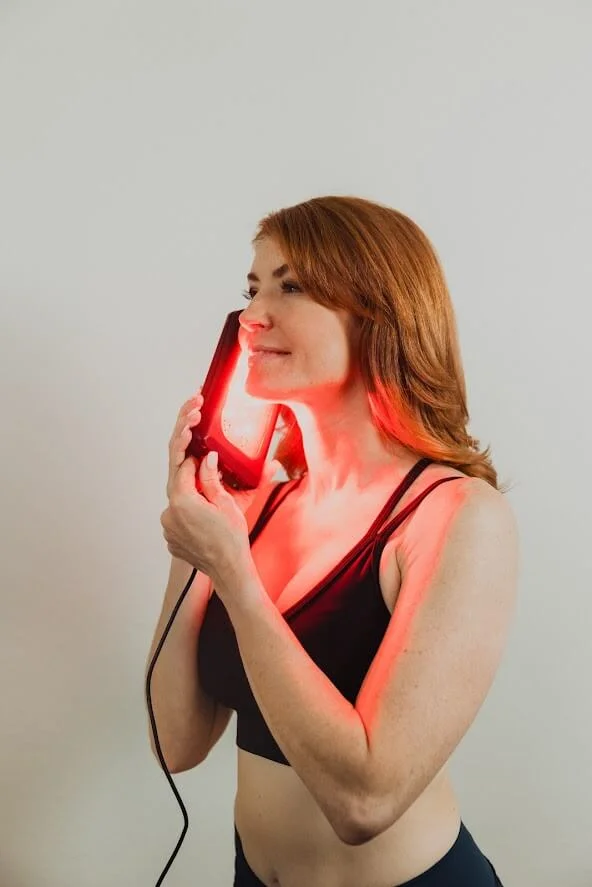
We aren’t making any claims in this article, we are simply sharing research.
At LZR Ultrabright we recommend dual wavelengths of 660nm & 810nm which are what our LED’s are equipped with.
What if light could help quiet the ringing in your ears? Explore the science behind red light therapy for tinnitus, along with how it’s being used in real-world treatment approaches.
Tinnitus is often mentioned, but not always well understood. It refers to a persistent sound that has no external source, unheard by others yet constantly present for the person experiencing it. This invisible noise can intrude on daily life in ways that are hard to explain.
Conversations may feel strained as the background sound competes for attention. Sleep can become difficult when quiet moments are filled with ringing or buzzing. Even social situations or attempts to relax may feel exhausting rather than restorative.
Living with tinnitus isn’t just about hearing a sound, it’s about managing its emotional and mental toll. The encouraging news is that research is beginning to offer hope. This article reviews the available scientific evidence on red light therapy for tinnitus, and the findings are promising enough that it may be worth exploring as a potential support option.
What Is Tinnitus?
First, the focus turns to the most up-to-date scientific evidence on tinnitus. To do this, recent review papers are used, since these studies analyze and synthesize findings from earlier research into a broader, more reliable perspective. Only reviews published within recent years are included, ensuring the discussion reflects the latest understanding of the topic.
But before diving into that research, it’s important to start with the basics:
Tinnitus: A Symptom That Can Become a Condition
What exactly is tinnitus? It refers to the perception of sound when no external noise is present. People commonly describe it as ringing, buzzing, hissing, or clicking, and the experience can vary widely from person to person.
Clinically, tinnitus is classified as a symptom rather than a disease. That said, for a subset of individuals, its impact is so persistent and disruptive that it functions much like a chronic condition, significantly affecting daily life and well-being.
The Underlying Biology of Tinnitus
Tinnitus can arise from many different sources. Common examples include ear infections, long-term exposure to loud noise, age-related or noise-induced hearing loss, and certain medications. There is no single underlying cause. Instead, tinnitus can develop through multiple biological pathways, as summarized in a review that notes the following:
"Multiple pathophysiology were identified, including inner ear pathology, auditory nerve synchronization, central nervous system anomalies and limbic and autonomous nervous system problems. The group of papers evaluated tinnitus patients with specific diagnostic tests such as pure tone audiometry, Immittance audiometry, otoacoustic emission, Auditory brainstem response and diagnostic imaging of fMRI, MRI and PET study." (1)
In other words, one biological pathway leading to tinnitus can differ substantially from another (1). Among the contributing factors, stress appears to play a significant role in many cases, even when that stress is primarily psychological in nature (2). That said, stress is not a universal cause and does not account for every instance of tinnitus (6).
Noise-induced hearing loss, such as damage from prolonged exposure to loud music, represents a non-psychological stressor that can also trigger tinnitus (3). Even so, in a large proportion of cases, the exact cause remains unclear (4). Despite this uncertainty, clinicians often explore a wide range of potential contributors, since identifying a specific cause can sometimes make tinnitus easier to manage or treat (4).
Potential contributors to tinnitus include a range of biological and neurological factors, such as:
- Damage to inner-ear hair cells, which reduces normal sound input and may prompt the brain to compensate by generating phantom sounds
- Other biological disruptions, including infections or pressure imbalances within the ear
- Increased sensitivity within the brain’s auditory pathways, causing normal sound signals to be processed abnormally
- Neck or jaw dysfunctions that influence auditory nerve pathways
- Structural damage to the ear resulting from certain medications
- Impaired blood flow; in and around the ear
- Underlying neurological conditions
Stress and anxiety also play a major role. Recent reviews show that tinnitus is closely associated with chronic inflammation (5), an important clue given that red light therapy is known for its anti-inflammatory effects.
Tinnitus is frequently linked with other health challenges as well, including depression, anxiety, heightened sensitivity to everyday sounds (hyperacusis), and age-related changes (7). Genetics appear to contribute too, with higher prevalence reported in European and Asian populations (8).
What Increases the Risk of Tinnitus?
An estimated 740 million people worldwide experience tinnitus (9), and the likelihood increases with age (10). This trend aligns with earlier findings linking tinnitus to chronic inflammation, as many age-related changes reduce physiological efficiency over time.
Smoking and obesity are among the most consistent risk factors identified (11), while alcohol and caffeine intake have not been reliably shown to increase risk (11). Depending on the specific type of tinnitus, cardiovascular health, neurological function, and psychological well-being can all influence susceptibility (12). Dietary patterns also appear to matter, with evidence suggesting that a healthier diet may help lower overall tinnitus risk (12).
Exposure to loud noise is, unsurprisingly, a well-established risk factor for tinnitus, particularly in younger individuals (13). This includes damage from activities such as attending loud concerts or prolonged headphone use. General hearing loss is another important risk factor, although it differs in that it typically develops gradually with age (14). Because hearing loss increases over time, aging itself becomes an indirect risk factor as well (14). Loud noise exposure and hearing loss are closely connected, which helps explain how these risks overlap.
That said, risk factors in this area remain a topic of debate. Some reviews report differing conclusions or emphasize different contributors (15; 16; 17; 25). Additional factors, such as certain cancer treatments, have also been linked to tinnitus, though these apply to a smaller portion of the population (16; 17). Together, this research highlights just how complex and multifactorial tinnitus risk truly is.
How Tinnitus Affects Quality of Life
Tinnitus carries a significant burden for both individuals and society (18). While roughly 10% of the global population experiences tinnitus to some degree, about 1 - 2% report a substantial decline in quality of life as a result (18; 19). Treatment costs are considerable, and in most cases, there is no definitive cure (18; 19).
For those whose quality of life is affected, tinnitus often becomes a long-term condition, lasting many years or even decades. One of its most common consequences is disrupted sleep, with many individuals developing insomnia (20). Poor sleep can, in turn, increase the risk of a wide range of health problems, including cardiovascular disease, metabolic disorders such as diabetes, neurodegenerative conditions, and impaired organ function. When tinnitus extends beyond being a minor annoyance, it can begin to influence overall health and resilience.
In more severe cases, tinnitus can also erode emotional well-being and hopefulness (21). Anxiety around bedtime is common, and waking during the night can make it difficult to fall back asleep, particularly in quiet environments where the ringing becomes more noticeable.
Tinnitus can also create ongoing emotional strain and make it harder to concentrate during the day. As a result, work performance and daily functioning may suffer, feeding back into a reduced quality of life. Many people report mental fatigue and a persistent sense of lost control when the sound is always present, especially during tasks that require focus.
Communication can be challenging as well. Because tinnitus has no single, visible cause, it can be difficult to explain the experience to others who don’t have it. This sometimes leads to misunderstandings, with some people assuming tinnitus is purely psychological rather than a genuine physiological condition.
Current Tinnitus Treatments: Limitations and Challenges
A wide range of treatment options for tinnitus are available, but as noted earlier, none reliably cure the condition. Medications are sometimes prescribed, yet they tend to address symptoms rather than the underlying causes (22). In some cases, these medications can introduce additional challenges or side effects. Researchers describe this situation as follows:
"In addition, medicines used to treat other diseases, as well as foods and other ingested materials, can result in unwanted tinnitus. These include alcohol, antineoplastic chemotherapeutic agents and heavy metals, antimetabolites, antitumor agents, antibiotics, caffeine, cocaine, marijuana, nonnarcotic analgesics and antipyretics, ototoxic antibiotics and diuretics, oral contraceptives, quinine and chloroquine, and salicylates." (22).
A wide range of medications has been prescribed for tinnitus, yet none are currently approved for this purpose in the United States (23). One challenge is that tinnitus involves multiple biological pathways, often requiring several drugs to address different aspects of the condition (23). Over time, medication tolerance and side effects can also develop, making this approach far from ideal.
Other treatment strategies focus on modifying known risk factors, such as smoking cessation, or using relaxation-based approaches like mindfulness and stress-management techniques, which can help some individuals.
Hearing aids and auditory retraining therapies are another option (24). These methods aim to address auditory contributors directly, often by enriching the sound environment. White noise or background sounds that reduce silence are a common example.
There are also more experimental approaches, including vagus nerve stimulation to promote relaxation (26), as well as neuromodulation and neurofeedback techniques that are popular in biohacking circles (27; 28). However, because no definitive cure exists, results with these methods tend to be inconsistent and unpredictable.
All of this highlights a clear need for more effective tinnitus treatments, which is where red light therapy may offer a promising new avenue.
From Sunlight to LEDs: An Evolution of Light Therapy
Light therapy may feel modern, but its roots stretch far back in time. For centuries, humans have relied on sunlight for health and healing, and in more recent decades, light-based approaches have been explored more deeply for brain- and nervous-system–related conditions.
The use of light and sunlight for therapeutic purposes dates back to the earliest civilizations (29; 30; 31; 32; 33; 34). The invention of the light bulb marked a turning point, allowing light to be used intentionally and consistently, independent of natural sunlight or fire.
Much of the major progress occurred during the 20th century. Early therapeutic lamps were used to stimulate vitamin D production and combat diseases such as rickets and tuberculosis. Then, in 1969, researchers identified what is now known as photobiomodulation, more commonly referred to as red light therapy (35; 36).
Initial studies focused on wound healing, but the scope quickly expanded. Researchers soon discovered that light therapy could influence a wide range of biological processes, supporting outcomes related to joint pain, skin health, overall well-being, organ function, exercise performance and recovery, and much more.
The impact of red light therapy varies by condition. In some cases, the effects are modest but promising, while in others they are striking. For conditions such as neuropathy and Parkinson’s disease, early results are encouraging, though more research is still needed. In contrast, the existing evidence for fibromyalgia and depression is already remarkably strong.
But that brings the focus to the topic at hand.
Red light therapy and tinnitus are now entering the spotlight. There are currently hundreds of studies examining red light therapy’s effects on the brain, and research specific to tinnitus continues to grow. With that foundation in place, it’s time to take a closer look at what scientific literature reveals.
The Science Behind Red Light Therapy for Tinnitus
Vladimir Heiskanen has cataloged roughly 35 studies examining red light therapy in the context of tinnitus (37). This body of research explores questions such as:
- “Will red light therapy actually work to help tinnitus?”
- “Will red light therapy work for ears as well?”
- “How can light-based approaches fit within a broader, holistic tinnitus strategy?”
One encouraging aspect is that the majority of these investigations are human studies, rather than animal-based research (37). In addition, several review papers synthesize and evaluate earlier findings. Those broader analyses are addressed after first examining the individual human studies.
Human Research Exploring Red Light Therapy for Tinnitus
There are several human studies that have examined red light therapy for tinnitus, creating a substantial body of published research.
Below is a summary of the findings across these studies, reviewed individually.
- One example is an 830 nm laser study reporting positive outcomes for managing chronic tinnitus (38). The device used was a TINI laser, short for Transcutaneous Infrared Neural Stimulation. This approach targets nerves around the ear and neck with the aim of influencing auditory pathways and reducing the perception of tinnitus. To assess effectiveness, the researchers relied on multiple questionnaires and additional outcome measures, including:
"The Tinnitus Handicap Inventory (THI), Tinnitus Functional Index (TFI) and Tinnitus Magnitude Index (TMI) were used to assess tinnitus-related outcomes. Psychological assessments were also conducted to measure levels of depression, stress and anxiety."
- The purpose of these questionnaires is fairly straightforward. The THI assesses how much tinnitus interferes with daily life, the TFI evaluates day-to-day functioning, and the TMI reflects perceived tinnitus severity. Lower TMI scores correspond to a less intense tinnitus experience. Unfortunately, this particular study provides limited detail on the exact treatment parameters used.
- A second study also employed an 830 nm wavelength using a laser device (39) but offers more clarity on the treatment approach. In this case, the therapy targeted inner-ear structures such as the cochlea, which is responsible for converting sound waves into electrical signals for the brain. While tinnitus loudness itself did not significantly improve, participants did experience improvements in psychological symptoms and tinnitus-related distress.
- Below you can see the structures inside the ear that we are discussing for treatment:
The key takeaway is that structures such as the tympanic membrane and the cochlea can be directly targeted using laser-based light therapy.
- A third study applied 650 nm and 660 nm light using two different devices (41). In this trial, tinnitus severity decreased from roughly 70% to about 60–65%, depending on how the light was delivered. One of the devices, operating at 650 nm, was inserted into the ear canal to directly stimulate inner-ear structures.
- Another investigation explored several different treatment setups (42) but did not demonstrate a clear benefit of red light therapy for tinnitus. This study used 660 nm alone as well as a combined 660 + 808 nm protocol. Notably, the authors emphasized the need for further research to clarify optimal wavelength selection, dosing, and treatment protocols, a point that will be revisited later.
- A separate study using 660 nm and 808 nm also failed to show a significant effect and provided limited detail regarding the treatment parameters, making interpretation difficult (43).
- Another study suggests that combining physical therapy with red light therapy may offer added benefits (44), though this approach may be less practical for consistent, long-term use by most people.
- An additional 830 nm study reported positive results (45), with reductions in both tinnitus duration and perceived loudness among participants receiving light therapy.
- One investigation explored polychromatic light, spanning wavelengths from 280 to 1,100 nm at a power density of 100 mW/cm² (46). In this study, tinnitus severity and loudness decreased, and the overall handicap associated with tinnitus improved.
- Another trial applied 630 nm red light directly into the ear canal alongside 808 nm near-infrared light to the bony area behind the ear (47). This protocol led to a reduction in tinnitus loudness, though other measured outcomes did not change significantly.
- Finally, a study examined the use of 810 nm and 1,064 nm light delivered through two specialized devices using 1064 nm and 810 nm (separately) from a Spanish manufacturer (48). Treatments were administered once daily for ten days, and both wavelengths were effective in reducing tinnitus severity.
- Another study applied 808 nm light every other day for ten sessions (49), targeting both the cochlear region and the external ear. One group also received a combination of magnetic stimulation and light therapy, and this combined approach produced the strongest improvements across tinnitus intensity, loudness, and overall handicap.
- A separate 650 nm study delivered 20 treatment sessions over four weeks but did not observe a measurable effect (50). An important point raised by Heiskanen is that directing treatment solely into the ear may be ineffective when the underlying source of tinnitus originates elsewhere in the auditory or neural pathways (37).
- Similarly, another 650 nm trial involved twice-daily treatments for ten weeks targeting the ear canal, yet no significant benefits were found (51).
- A further study using 650 nm light across 12 sessions over four weeks also failed to demonstrate improvements (52). In this case, the treatment setup focused on direct ear application. (53).
- That study dates back to 2013, which highlights how rapidly this field has continued to evolve since then (52).
- Another investigation using 650 nm light did report benefits, particularly in participants with noise-induced hearing loss (54). However, the response was far from universal, with a non-responder rate ranging from 57 to 70%. This protocol involved 20 treatment sessions administered every other day.
- Following that, a separate 650 nm study applied daily treatments over a three-month period (55). The paper includes a particularly clear and well-structured results section, summarized below:
"Over half of the patients (56.9%) had some form of improvement in their tinnitus symptoms. Mild improvement was reported in 33.8% of patients, moderate improvement was reported in 16.9%, and full improvement was reported in 6.15%. Of the patients who reported dizzy spells as a symptom of their tinnitus condition, 27.7% reported mild improvement and 16.9% reported full improvement. Common side effects of LLLT were noted among 20% of patients; however, all of them were mild and disappeared within a few days. " (55)
- At this stage, treatment outcomes appear to be somewhat inconsistent and seem to depend heavily on the type of tinnitus and its underlying cause.
- Another study using 650 nm light, a wavelength common in many of the earlier investigations, suggested a protective effect against noise exposure (56). In this case, treatment targeted the auditory canal, specifically the area between the eardrum and the cochlea. However, as with many of the older 650 nm studies, key details such as exact treatment location, power density, or dosing parameters were not clearly reported (57).
- A further 650 nm study involving daily treatments over three months also failed to demonstrate a significant effect (58). Once again, the lack of clearly defined treatment parameters makes interpretation difficult.
- A more complex trial involving seven different groups used 830 nm light, but did not find meaningful benefits for tinnitus (59) As before, insufficient detail regarding laser settings limits conclusions.
- Finally, another 650 nm laser study combined light therapy with counseling interventions (60). The researchers summarize their findings as follows:
"The [Tinnitus Handicap Index] scores improved in the entire sample after treatment but more significantly in the group receiving low-level laser stimulation. From the point of view of clinical classification, approximately 61% of irradiated patients had tinnitus severity decreased by one class, in comparison to 35% of the placebo group." (60).
- Once again, the results showed improvement, but not uniformly across all participants (60).
- Another 650 nm study using a low-powered laser reported modest reductions in tinnitus annoyance and perceived loudness (61). Treatment was administered daily for three months through the auditory canal. As in several earlier trials, the exact power density was not specified. Approximately 50–55% of participants experienced improvement.
- A subsequent study directly compared 635 nm and 830 nm wavelengths (62), applying a dose of 4 J/cm² to the cochlear region. The findings from this comparison were particularly noteworthy:
" The first clinical use of the [auditory channel treatment]-system has been well tolerated without side-effects and produced no observable damage to the external, middle or inner ear. Changes of tinnitus loudness and tinnitus matching have been described. After a follow-up period of six months tinnitus loudness was attenuated in 13 of 35 irradiated patients, while two of 35 patients reported their tinnitus as totally absent." (62).
That’s an encouraging result and, at the very least, suggests the approach is worth exploring.
- Another study applied 810 nm light through the ear canal once weekly for four weeks, but no significant effect was observed, likely due to the low power of the laser used (63).
- An 830 nm study involving ten treatment sessions over three weeks reported improvement in roughly 50% of participants (64). However, because participants also received Ginkgo bilobaextract, the results cannot be attributed to light therapy alone.
- One publication provided very limited methodological detail, including no clear wavelength information, and did not report a meaningful effect (65).
- A separate 830 nm study delivered five weekly treatments over three weeks and found moderate improvement in the laser-treated group, though the results did not reach statistical significance (66).
- Another 830 nm trial showed improvements in tinnitus loudness and annoyance in approximately 50–60% of participants, with tinnitus duration improving in about 26% (67).
- A study using 633 nm and 904 nm wavelengths did not report usable outcome data (68).
- Finally, one more study combined 633 nm and 904 nm light with Ginkgo bilobafor eight consecutive days. The control group received the supplement alone. In this trial, about 50% of participants in the light therapy group improved, compared to just 5% in the control group, marking a substantial difference once again.
Insights from Review Studies on Tinnitus
Next, it helps to sanity-check these observations against the most recent review papers to see whether they arrive at different conclusions. Several reviews on red light therapy and tinnitus have been published in recent years (69; 70; 71; 72).
Here’s how their findings stack up:
- The first review reports generally positive effects for tinnitus but notes a lack of demonstrated long-term benefit (69). That limitation may reflect the research landscape itself, since long-term outcomes are rarely studied in depth. The review also highlights the absence of serious side effects, which is encouraging. Reported adverse effects were mild and infrequent, including temporary redness, slight irritation of the auditory canal, or minor allergic reactions (73). Benefits tended to fade over time, suggesting that ongoing treatment may be necessary (73). The authors also point out the challenge of dosing, given the lack of standardized protocols and the wide variation between research-grade devices and home-use products.
- The second review takes a more skeptical stance, describing the evidence for red light therapy in tinnitus as inconclusive (70). Concerns were raised about study quality, risk of bias, and inconsistent methodologies. The difficulty of treating chronic tinnitus effectively was also emphasized (70). The authors conclude that higher-quality trials and standardized treatment protocols are needed, a point that aligns with broader concerns in the field.
- The third review reaches a conclusion similar to the second, reinforcing the need for more rigorous research before firm clinical recommendations can be made.
"All the seven selected studies found different degrees of significant results regarding tinnitus severity; however, there was no consensus among the results. Conclusion Even though the [red light therapy] showed positive effects in the tinnitus severity in some studies, it is not possible yet to make any recommendation over its uses for the treatment of tinnitus severity." (71)
- Finally, the fourth review also reaches a more cautious conclusion, stating that the current evidence is insufficient to draw firm conclusions (73).
Overall, both sides of the argument are understandable. On one hand, more rigorous research is clearly needed to determine which protocols, wavelengths, and dosing parameters are most effective for tinnitus. On the other hand, the consistently positive responses reported by a substantial number of patients during treatment are difficult to dismiss. These mixed findings warrant a closer, more practical examination, which is addressed in the next section focused on selecting red light therapy devices specifically for tinnitus.
Optimizing Auditory Canal Dosing: An Overlooked Therapeutic Opportunity?
There is still considerable debate about optimal dosing strategies for tinnitus when using light therapy. Targeting the auditory canal is a logical and widely used approach, as it provides direct access to many of the key structures involved in hearing.
That said, it’s somewhat surprising that surrounding regions have received less attention in research. Areas such as the skull and tissues around the ear have largely gone untested, even though treating these regions could potentially offer benefits. With sufficiently high-power output, light may be able to penetrate these areas and influence deeper tissues.
One potential advantage of this broader approach is the ability to address adjacent components of the auditory system that may also be affected by inflammation. As discussed earlier, chronic inflammation appears to play a role in tinnitus. A more comprehensive brain-focused treatment strategy could theoretically be beneficial for similar reasons, although this approach has not yet been explored in the available studies.
Even so, delivering light through the auditory canal remains a compelling method. This route allows direct interaction with critical structures such as the cochlea, the eardrum, and the auditory nerve responsible for transmitting sound signals to the brain.
Setting Expectations: Relief, Limitations, and Safety
When considering red light therapy for tinnitus, a cautious, stepwise approach is usually best:
- Start with a low dose.If no improvement is noticed after a few weeks, the dose can be increased gradually under a doctor's supervision. There’s little reason to rush higher exposures early on.
- Focus on the ear canal first.This approach is a great first step.
- Consider broader ear-area treatment if needed.Applying light to the outer ear region with a handheld device is an optimal option. This strategy is more exploratory, but similar approaches are used in other neurological conditions, such as Alzheimer’s or Parkinson’s disease, where external head regions are treated at higher doses.
- Pay attention to feedback from your body.Serious side effects are uncommon, but if discomfort or irritation occurs, reduce the dose or adjust the application method. It’s important not to push through adverse reactions, even if progress feels slow.
Additional Neurological and Systemic Effects of Red Light
Red light therapy may also support tinnitus relief indirectly by easing anxiety and improving sleep, two factors that commonly worsen tinnitus symptoms.
There are several ways red light therapy may help address related challenges such as insomnia and depression or anxiety:
- First, research on red light therapy for depression, which often overlaps with anxiety, is particularly relevant. Across multiple studies, red light therapy has been shown to reduce depressive symptoms, sometimes within just one to several sessions. These effects are thought to stem from improved mitochondrial function, reduced inflammation, and enhanced cerebral blood flow. As these underlying processes normalize, mood tends to improve and emotional distress lessens. When depression or anxiety accompanies tinnitus, red light therapy devices are often considered a practical starting point.
- Second, red light therapy shows promising potential for sleep support. While the number of sleep-focused studies is still limited, existing research suggests benefits for melatonin production, deeper and longer sleep, improved daytime energy, better athletic recovery, and sharper cognitive performance driven by higher sleep quality. In addition, well-established light-based strategies, such as exposure to natural morning sunlight and minimizing blue light at night, can significantly enhance sleep outcomes. Among the approaches studied, full-body red light therapy appears to produce especially strong results for sleep-related benefits.
Conclusion: Is Red Light Therapy a Promising Option for Tinnitus Relief?
So, is red light therapy a new treatment for tinnitus that's revolutionary? Not quite! But it's very much worth trying, and you've almost got nothing to lose!
So, yes, in a way, red light therapy is a tinnitus breakthrough. Because now you've at least got some hope!
Like what you’re reading? Follow us on Facebook at https://www.facebook.com/LZRUltraBright and see what else light therapy can address.