How Red Light Therapy Can Accelerate Recovery After Traumatic Brain Injury
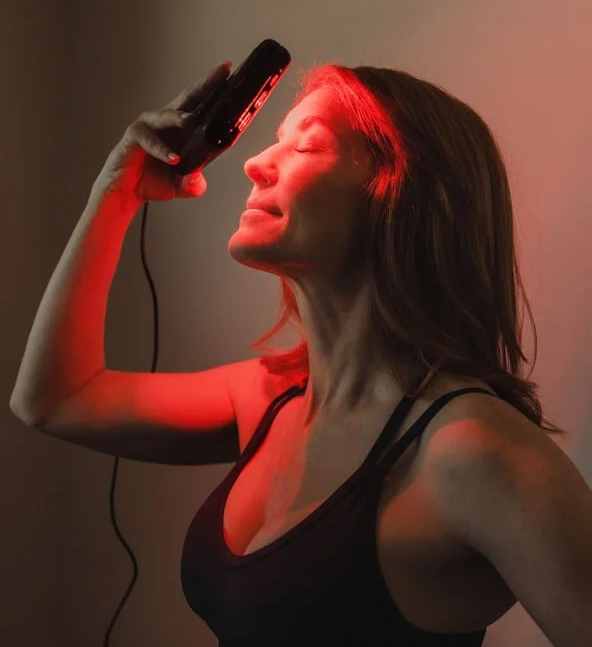
We aren’t making any claims in this article, we are simply sharing research.
This article examines whether red light therapy can support brain recovery and improve outcomes following traumatic brain injury.
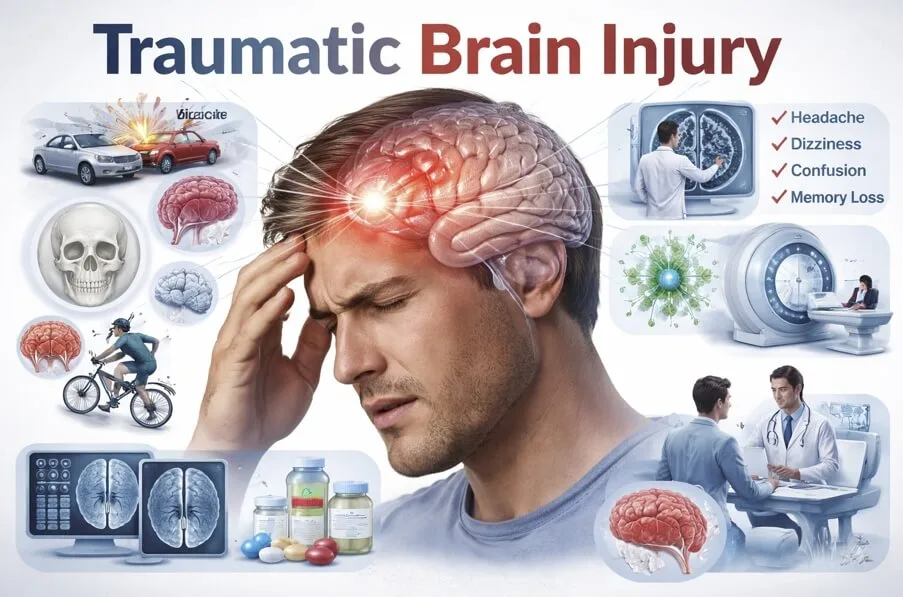
Let’s take a closer look at red light therapy for concussion, known clinically as traumatic brain injury (TBI). This article reviews the available research and highlights how light therapy may meaningfully support the brain’s recovery process.
Rethinking How the Brain Recovers After Traumatic Brain Injury
To set the stage, let’s start with a few key facts about concussion and traumatic brain injury.
Statistics
Each year, just under 1% of the global population experiences a traumatic brain injury (TBI), amounting to roughly 70 million people worldwide (1). In developed countries such as the United States, the annual incidence is slightly lower, at around 0.7% (2). Of these cases, approximately 10% result in a hospital visit.
A small but meaningful proportion of TBIs are fatal (3). In the U.S., falls account for nearly half of all traumatic brain injuries, which helps explain why risk increases with age (4).
That said, TBIs are not limited to older adults. Children and teenagers also face elevated risk (5), and athletes are particularly vulnerable, with estimates suggesting that up to 10% experience a TBI each year (6).
Traumatic brain injuries exist on a wide spectrum, ranging from mild injuries, commonly referred to as concussions, to severe TBIs with far greater risk. Fortunately, the majority of cases are mild. However, recovery is not always straightforward. When symptoms persist for more than three months, the condition is often classified as post-concussion syndrome (PCS) (7). If symptoms continue even longer, it may be referred to as persistent post-concussion syndrome (PPCS) (8).
The terminology may vary, but the key point remains the same: for some individuals, the effects of a traumatic brain injury can linger for months or even years, significantly affecting quality of life.
For some individuals, the challenges of a traumatic brain injury do not fully resolve. Beyond the risk of long-term disability, severe TBIs are also associated with a higher risk of death (8). That increased risk is not limited to the immediate aftermath of the injury, but can extend years into the future, with elevated mortality observed even up to a decade later when symptoms persist (9).
Importantly, this risk is not confined to older adults. Younger people are also vulnerable, particularly those involved in contact sports. Activities such as soccer, football, and martial arts significantly increase the likelihood of concussion and traumatic brain injury during childhood and adolescence (10; 11).
With that context in mind, let’s take a closer look at what the latest research reveals about these conditions and their recovery pathways.
Recent Scientific Reviews on Concussion
To ground this discussion in the strongest available evidence, this section draws on scientific reviews from the past six years. These reviews synthesize and evaluate high-quality research across the field. One particularly recent review offers a detailed overview of the biological processes that unfold in the brain following a concussion (12):
"After a concussion, a series of complex, overlapping, and disruptive events occur within the brain, leading to symptoms and behavioral dysfunction. These events include ionic shifts, damaged neuronal architecture, higher concentrations of inflammatory chemicals, increased excitatory neurotransmitter release, and cerebral blood flow disruptions, leading to a neuronal crisis." (12)
A concussion causes real, physical changes within the brain. The severity of the injury largely determines how long the healing process takes. Unlike a broken bone, the damage from a concussion is not usually visible on standard imaging, but it is very much present. These changes occur across multiple levels, including inflammation, disruptions in neurotransmitter signaling, altered blood flow, and injury to brain cells themselves.
While many concussions do resolve on their own over time, thanks to the brain’s natural repair mechanisms and the typically limited extent of damage, recovery is not always straightforward. In some cases, symptoms persist, prompting further investigation. As another group of researchers explains:
"[The concept of persistent symptoms after concussion] emphasizes the fact that most persistent symptoms have their basis in complex somatic, cognitive, psychiatric, and psychosocial factors related to risk and resilience. This framework leads to the important conclusion that concussion is a treatable injury from which nearly all patients can be expected to recover." (13).
This conclusion cuts both ways. On the positive side, concussions are far better understood today than they were in the past, and their progression over time is easier to track and assess. At the same time, the wide range of possible symptoms highlights just how complex these injuries can be.
Post-concussion symptoms vary widely and can be difficult to summarize. Individuals respond differently to concussions, and no two injuries are exactly alike (14; 15; 16; 17; 18). The specific symptoms often depend on which areas of the brain are affected. For example, an impact to the back of the head may produce different effects than one to the sides or the occipital region.
Broadly speaking, post-concussion symptoms tend to fall into four main categories:
- Cognitive symptoms– These include brain fog or slowed thinking, reduced concentration, memory difficulties, mental fatigue, and decreased cognitive endurance.
- Physical symptoms– Common examples are nausea (reflecting the close connection between the brain and gut), fatigue, balance and coordination issues, visual disturbances, dizziness, and headaches. Physical and athletic performance may also decline significantly.
- Emotional changes– Some individuals experience increased anxiety, depressive symptoms, mood instability, or noticeable changes in personality and emotional regulation.
- Sleep disturbances– These can range from excessive sleepiness to poor-quality or fragmented sleep, disruptions in the normal day–night (circadian) rhythm, or a persistent sense of exhaustion regardless of sleep duration.
One of the challenges in managing concussion is that many symptoms remain inherently subjective (19). Unlike conditions such as stroke, epilepsy, or Alzheimer’s disease, which often produce clear and measurable changes on imaging or diagnostic tests, there is no definitive gold standard for quantifying concussion severity. Conventional imaging techniques such as MRI and CT scans typically cannot detect a concussion. As a result, diagnosis and assessment often rely on self-reported symptoms, observed behavior, and factors such as the duration of unconsciousness.
This subjectivity also makes persistent post-concussion symptoms difficult to measure and track over time (19).
Despite these challenges, a wide range of treatment approaches for concussion are currently used or under investigation (20):
"The use of osteopathic manipulative medicine (OMM), pharmacotherapy, hyperbaric oxygen therapy (HBOT), aerobic exercise, balance, and/or vestibular therapy are many common treatment approaches for concussion and post-concussion sequelae."
Several emerging interventions show promise for concussion recovery. Creatine supplementation has gained attention as a potential support for brain energy metabolism (21). Gradual, appropriately guided physical activity is also increasingly recognized as beneficial rather than harmful in many cases (22). Cognitive rehabilitation and psychological support, including cognitive behavioral therapy, may further help individuals manage symptoms and improve functional recovery (23). Encouragingly, the range of evidence-based treatment options continues to expand.
Looking ahead, advanced imaging approaches that assess cerebral blood flow, glucose utilization in the brain, and levels of neuroinflammation may help provide more objective measures of concussion severity and recovery timelines (24).
Key Insights from Recent Traumatic Brain Injury Reviews
Next, it’s helpful to look at what recent review papers tell us about traumatic brain injury more broadly. Moderate and severe TBIs often share symptoms with concussions, but these symptoms tend to be more intense and are frequently accompanied by additional complications.
Key differences include:
- Detectable changes on brain imaging– Unlike concussions, moderate and severe TBIs often show visible alterations on MRI or CT scans.
- Greater cognitive impairment– This may involve difficulties with speech, planning, decision-making, or overall cognitive function.
- More pronounced physical decline– Mobility, coordination, and endurance can be more substantially affected.
- Higher rates of depression and anxiety– Emotional and psychological challenges are especially common.
- Speech impairments– In some cases, speech difficulties resemble those seen after a stroke.
- Autonomic nervous system disruption– This can lead to problems regulating blood pressure, excessive sweating, or abnormal body temperature control.
Current research highlights cerebral blood flow and brain metabolism as central factors in understanding and treating moderate to severe traumatic brain injury (25). Severe TBIs, in particular, are often associated with long-lasting health consequences, as summarized in the following review:
"1. Expectation of long-term outcome is an important factor in treatment decision-making for patients with severe traumatic brain injury (sTBI). 2. Favorable outcomes and full recovery after sTBI are possible, but mortality and unfavorable outcome rates are high. 3. sTBI survivors are likely to suffer from a wide range of long-term consequences, underscoring the need for long-term and multi-modality outcome assessment in future studies. 4. The quality of the scientific literature on long-term outcome after sTBI can and should be improved to advance treatment decision-making." (26).
Taken together, this highlights the need for improved treatment strategies. Early intervention is especially important, much like in stroke care, where timing can strongly influence outcomes (26; 27; 28). In addition to medical approaches, a range of non-pharmacological interventions is already being explored, offering additional avenues for support and recovery (29; 30).
With that foundation in place, the key takeaway is clear: concussions and moderate to severe traumatic brain injuries still require better, more targeted treatment options. Encouragingly, there has been a growing body of research in recent years examining the effects of red light therapy on brain health.
The next section explores what this emerging science reveals.
How Light Influences Brain Recovery: The Science Explained
For some neurological conditions, the current evidence is especially encouraging. Fibromyalgia and Parkinson’s disease are notable examples, where early human studies suggest meaningful, sometimes life-altering improvements. While additional research is still needed, these early intervention trials point to substantial therapeutic potential.
For other conditions, the picture is more mixed. In epilepsy, for example, human research is still lacking. In areas such as depression, sleep disturbances, migraines, and related neurological concerns, the evidence consistently shows benefit, though the effects tend to be supportive rather than transformative.
This naturally leads to the next question: what exactly does red light do in the brain? Can red light therapy meaningfully influence brain inflammation, cellular energy production, or recovery processes?
A large and growing body of research now explores what is known as photobiomodulation of the brain, more commonly referred to as red light therapy for brain health (31; 32; 33; 34; 35). While the precise mechanisms are still being actively studied, several core biological effects have been consistently identified (31; 32; 33; 34; 35):
- Activation of brain mitochondria– One of the most widely accepted mechanisms involves cytochrome c oxidase (CCO), a key enzyme in mitochondrial energy production. Mitochondria act as the brain’s energy generators, and supporting their function is central to cellular recovery and resilience.
- Reduction in neuroinflammation– Red light therapy has been shown to lower pro-inflammatory biomarkers while increasing anti-inflammatory signaling in the brain. Chronic neuroinflammation plays a role in many neurological and neurodegenerative conditions, making this effect particularly relevant.
- Improved cerebral blood flow– Appropriate wavelengths of light can enhance blood flow in brain tissue. The leading explanation involves nitric oxide (NO) release, which helps dilate blood vessels and improve oxygen and nutrient delivery.
- Healthier regulation of reactive oxygen species (ROS)– ROS are natural byproducts of energy production. While excessive levels contribute to aging and cellular damage, balanced ROS signaling is essential for adaptation and repair. Red light therapy appears to help restore this balance.
- Support for neurogenesis and synaptic growth– Red light therapy can stimulate the production of brain-derived neurotrophic factor (BDNF) and other growth factors. These molecules support the formation of new neurons and strengthen connections between brain cells.
Taken together, these effects align closely with what is needed in concussion and traumatic brain injury recovery. After TBI, blood flow is often reduced, inflammation increases, and oxidative stress rises. At the same time, the brain benefits from mechanisms that promote repair, plasticity, and new neural connections. From that perspective, the biological rationale for red light therapy in brain injury is compelling.
Next, let’s examine what the scientific studies actually show.
Red Light Therapy for Concussion and Traumatic Brain Injury: Repairing the Brain from Within
Before we can begin to evaluate whether low-level light therapy (LLLT), also known as photobiomodulation, is beneficial for concussions and traumatic brain injuries, it’s essential to first understand the foundational parameters that determine its effectiveness. These include where the device is placed on the head, which wavelengths are used, and how deeply the light must penetrate to influence brain tissue. Early skepticism surrounding red and near-infrared light therapy for brain injuries centered on one critical question: can light actually pass through the scalp and skull in meaningful amounts? If the light cannot reach the brain, how could it possibly produce neurological effects? This question prompted researchers to investigate not only penetration depth, but also whether therapeutic benefits might occur through indirect mechanisms, such as improved cerebral blood flow, mitochondrial activation, and signaling cascades that extend beyond the point of light delivery. As studies progressed, these concerns became a catalyst for deeper exploration into optimal wavelengths, dosing strategies, and transcranial application methods, laying the groundwork for the growing body of research now examining how light therapy may support brain repair from within.
Can light go through the skull?
These questions around penetration were not left unanswered. As interest in photobiomodulation for brain health grew, researchers began modeling exactly how near-infrared light behaves as it travels through the layers of the human head.
- One pivotal study, Simulation of Near-Infrared Light Absorption Considering Individual Head and Prefrontal Cortex Anatomy: Implications for Optical Neuroimaging, directly addressed this concern. (66)In this work, Haeussinger and colleagues examined how near-infrared (NIR) light moves through the scalp, skull, and underlying brain tissue, taking into account real anatomical variations. Their findings showed that even after passing through these barriers, a meaningful amount of light remains. Specifically, they estimated the mean penetration depth of NIR light, defined as the depth at which 5% of the original light intensity remains, to be approximately 6 ± 0.7 millimeters. This depth extends beyond the scalp and skull and into cortical brain tissue, providing strong evidence that near-infrared LEDs are capable of reaching biologically relevant targets within the brain.
- These results helped shift the conversation from whetherlight can penetrate the skull to how best to optimize wavelength, placement, and dosage for therapeutic benefit in concussion and traumatic brain injury care.
- A central challenge in evaluating transcranial photobiomodulation is not simply whether light can penetrate the scalp and skull, but whether enough light reaches the brain to produce a biological effect. As discussed by Hamblin and colleagues in Photobiomodulation for Traumatic Brain Injury and Stroke(published in Journal of Biophotonics), multiple laboratories working in tissue optics have investigated how different wavelengths of light travel through the scalp, skull, and into the brain parenchyma. (36) These studies confirm that near-infrared light can reach cortical tissue, but they also highlight an important unresolved question: the minimum power density required within the brain to trigger a biological response has not yet been clearly defined. While there must be a threshold below which light has no effect regardless of exposure time, it remains uncertain whether this threshold lies in the range of microwatts per square centimeter or milliwatts per square centimeter. This uncertainty helps explain why photobiomodulation research emphasizes wavelength selection, penetration depth, and downstream biological signaling rather than penetration alone when evaluating its potential role in concussion and traumatic brain injury recovery.
- Additional support comes from the study Scalp and Skull Influence on Near-Infrared Photon Propagation in the Colin27 Brain Template, which examined how near-infrared light travels through the intact scalp and skull to reach brain tissue. (39)Using thousands of computer simulations based on realistic human head anatomy, the researchers showed that although scalp and skull thickness reduce signal strength, a measurable portion of near-infrared light consistently reaches gray matter. Depending on probe spacing and head region, approximately 6% to nearly 20% of the photon path length interacted with brain tissue. These findings reinforce earlier penetration studies by demonstrating that even partial light transmission through the scalp and skull is sufficient for meaningful interaction with the brain, helping validate the biological plausibility of photobiomodulation in concussion and traumatic brain injury applications.
Depth of Penetration
With mounting evidence showing that near-infrared light can pass through the scalp and skull and meaningfully interact with brain tissue, the conversation naturally shifts to the next critical question: how deep does the light need to penetrate to create a therapeutic effect? Penetration alone is not the goal. What matters is whether sufficient light reaches biologically active targets involved in injury, inflammation, and repair. Understanding depth of penetration helps clarify why certain wavelengths are favored, how treatment parameters are selected, and why even relatively small amounts of light can initiate powerful downstream effects within the injured brain. This brings us to a closer look at depth of penetration and its relevance in photobiomodulation research for concussions and traumatic brain injury.
- One of the most direct demonstrations of transcranial light penetration comes from a cadaveric study by Jagdeo and colleagues titled Transcranial Red and Near-Infrared Light Transmission in a Cadaveric Model. Using human cadaver heads with intact scalp, skull, and brain tissue, the researchers measured how much near-infrared light was able to pass through different regions of the skull. When exposed to 830 nm light, penetration varied by anatomical location, with approximately 0.9% transmission at the temporal region, 2.1% at the frontal region, and up to 11.7% at the occipital region. (42)Importantly, the study found that near-infrared light measurably penetrated soft tissue, bone, and brain parenchyma, while red light showed negligible transmission under the same conditions. These findings provide compelling anatomical evidence that near-infrared wavelengths can reach brain tissue directly, reinforcing their relevance in photobiomodulation research for concussion and traumatic brain injury. Below you’ll see the images showing how the wavelength 830nm is superior in results as opposed to the 633nm wavelength it was compared with.
- Building on this work, a follow-up cadaveric investigation by Tedford and colleagues, titled Quantitative Analysis of Transcranial and Intraparenchymal Light Penetration in Human Cadaver Brain Tissue, further clarified how different wavelengths perform once light enters the brain itself. (43)Using intact human cadaver heads, the researchers directly compared 660 nm, 808 nm, and 940 nm light to determine which wavelength achieved the greatest depth of penetration. Their results showed that 808 nm light penetrated most effectively, reaching depths of approximately 40–50 millimeters within brain tissue. This study provided quantitative confirmation that near-infrared wavelengths, particularly those around 810 nm, are better suited for transcranial applications, helping explain why this wavelength has become a focal point in photobiomodulation research for concussion and traumatic brain injury.
- Additional insight into transcranial light penetration comes from a comparative study by Lapchak and colleagues titled Transcranial Near-Infrared Laser Transmission (NILT) Profiles (800 nm): Systematic Comparison in Four Common Research Species. (44)In this study, the authors measured how 810 nm near-infrared light transmitted through the skulls of several commonly used research species, including mice, rats, rabbits, and humans. They found marked differences in transmission based on skull thickness and density, with approximately 40% transmission through mouse skulls, 21% through rat skulls, 11.3% through rabbit skulls, and 4.2% through human skulls. While transmission was lowest in human skulls, the study confirmed that near-infrared light still passes through bone at measurable levels. When considered alongside human cadaver studies, these findings help explain why lower transmission percentages can still be biologically relevant and why animal models often demonstrate amplified effects compared to human applications in photobiomodulation research for traumatic brain injury.
- Further insight into how light can reach deeper brain structures comes from the study Red and Near-Infrared Light Dosimetry in the Human Deep Brainby Pitzschke and colleagues. (47) In this investigation, the researchers compared how 670 nm (red) and 810 nm (near-infrared) light penetrated the brain when delivered using two different approaches: transcranial (through the scalp and skull) and transsphenoidal (through the nasal cavity). Their modeling demonstrated that 810 nm light achieved superior penetration into deep brain regions, particularly when delivered via the transsphenoidal route. This study is important because it highlights both the advantage of near-infrared wavelengths in the 800s and the role of anatomical pathways in optimizing light delivery. Together with transcranial penetration studies, these findings reinforce why 810 nm has become a preferred wavelength in photobiomodulation research aimed at influencing deeper neural structures involved in traumatic brain injury.
Wavelengths
Taken together, these penetration and transmission studies reveal a consistent theme: while only a fraction of light reaches the brain, near-infrared wavelengths in the 800-nanometer range outperform other wavelengths in their ability to pass through the scalp, skull, and into brain tissue. This distinction matters. Photobiomodulation is not simply about delivering light, but about delivering the right light to biologically relevant depths. As a result, researchers have increasingly focused on wavelengths in the low-800s, particularly around 808–810 nm, when designing studies for concussion and traumatic brain injury. This growing body of research helps contextualize why clinical recommendations often favor near-infrared wavelengths in the 800s, setting the stage for studies that examine not just penetration, but meaningful neurological and functional outcomes.
One study focused on individuals with moderate traumatic brain injury (38). The outcomes of that study were as follows:
"Despite the small sample size, the change in [Resting State Functional Connectivity (RSFC)] from the acute to subacute phases of recovery was greater in [red light therapy]-treated than sham-treated participants, suggesting that acute-phase [red light therapy] may have an impact on resting-state neuronal circuits in the early recovery phase of moderate TBI."
Resting-state functional connectivity (RSFC) refers to how different regions of the brain communicate with one another when a person is awake but not engaged in a specific task. In other words, the brain is at rest, yet still actively coordinating information. RSFC is commonly disrupted in neurological conditions and also declines with aging. In this study, improvements in RSFC were observed following treatment, although, once again, detailed information about the treatment parameters was limited, making interpretation challenging.
- Next, a small study examined transcranial light therapy using devices emitting 810, 850, and 870 nm wavelengths (40). The treatment was applied through the skull and involved four former football players suspected of having chronic traumatic encephalopathy, a condition associated with repeated head injuries. Participants received light therapy three times per week for six weeks and showed overall improvement. Notably, these individuals were over 50 years of age, suggesting potential relevance even in long-standing or cumulative brain injury cases. An image from the study illustrates the treatment setup (41). As shown in the study, a range of early-generation devices was used. Despite the small sample size, participants demonstrated improvements in cognitive testing as well as overall indicators of brain health.
- Another report describes a single-patient case study (52) in which transcranial light therapy was delivered using 23 LEDs at an 850 nm wavelength, with a total dose of 20 J/cm². Despite the small scale of the report, the outcomes were notable. Cerebral blood flow improved, and neurological symptoms showed meaningful recovery in a patient who had been in a vegetative state.
- Further insight into how light can reach deeper brain structures comes from the study Red and Near-Infrared Light Dosimetry in the Human Deep Brainby Pitzschke and colleagues. (47) In this investigation, the researchers compared how 670 nm (red) and 810 nm (near-infrared) light penetrated the brain when delivered using two different approaches: transcranial (through the scalp and skull) and transsphenoidal (through the nasal cavity). Their modeling demonstrated that 810 nm light achieved superior penetration into deep brain regions, particularly when delivered via the transsphenoidal route. This study is important because it highlights both the advantage of near-infrared wavelengths in the 800s and the role of anatomical pathways in optimizing light delivery. Together with transcranial penetration studies, these findings reinforce why 810 nm has become a preferred wavelength in photobiomodulation research aimed at influencing deeper neural structures involved in traumatic brain injury.
- A comprehensive review titled Photobiomodulation for Traumatic Brain Injury and Strokefurther strengthens the case for near-infrared photobiomodulation in TBI research. (36) Published in Journal of Biophotonics, this article synthesizes findings from multiple preclinical and clinical studies, with particular attention to 810 nm near-infrared light delivered using both pulsed and continuous modes. In animal models of traumatic brain injury, 810 nm photobiomodulation was associated with mechanisms relevant to recovery, including increased brain-derived neurotrophic factor (BDNF), enhanced synaptogenesis, and improvements in neurological function. Importantly, the review also discusses early human observations, noting meaningful functional changes beyond laboratory measures. As reported in the review, “Improved sleep and fewer post-traumatic stress disorder (PTSD) symptoms, if present beforehand, were observed after treatment. Participants and family members also reported better social function and a better ability to perform interpersonal and occupational activities.” (54) These findings highlight how near-infrared photobiomodulation may influence both biological repair processes and real-world quality-of-life outcomes following traumatic brain injury.
- Additional human evidence comes from a detailed case report titled Changes in Brain Function and Structure After Self-Administered Home Photobiomodulation Treatment in a Concussion Case. (51)This report followed a 23-year-old professional hockey player with a history of multiple concussions who experienced persistent symptoms including headaches, mild anxiety, and difficulty concentrating. Over an eight-week period, the individual administered photobiomodulation at home using commercially available, low-risk LED devices emitting 810 nm near-infrared light, delivered both transcranial and intranasally, with pulsing frequencies of 10 or 40 Hz. Neuroimaging and behavioral assessments conducted before and after treatment revealed increased brain volumes, improved functional connectivity, enhanced cerebral perfusion, and improvements in neuropsychological test scores. While limited to a single sport-related case, the findings are notable because they demonstrate measurable structural, functional, and cognitive changes following non-invasive PBM therapy, supporting the rationale for larger, controlled studies examining 810 nm photobiomodulation as a potential treatment approach for concussion and traumatic brain injury. (51)
What stands out from the studies above is a consistent pattern: the results are encouraging.
The science points in one direction: light therapy holds real promise in traumatic brain injury recovery.
Red Light Therapy for TBI: Insights From Scientific Reviews
Lastly, let’s look at several recent review papers on red light therapy for traumatic brain injury. As mentioned earlier, review studies synthesize and evaluate multiple high-quality investigations to provide a clearer, big-picture understanding of a topic.
For this section, I’ve focused specifically on the most up-to-date reviews available.
- The first is a 2024 review, and here’s how the authors summarize the evidence:
"The outcomes in human clinical studies are then reviewed. The findings support [red light therapy] potential for treating TBI, notwithstanding variations in parameters such as wavelength, power density, dose, light source positioning, and pulse frequencies. Emerging data indicate that each of these parameters plays a role in the outcomes. Additionally, new research into [red light therapy]'s effects on the electrical properties and polymerization dynamics of neuronal microstructures, like microtubules and tubulins, provides insights for future parameter optimization. In summary, transcranial [red light therapy] represents a multifaceted therapeutic intervention for TBI with vast potential which may be fulfilled by optimizing the parameters." (54)
What’s notable is that the researchers are even more optimistic than many typical scientific assessments tend to be. In most cases, authors emphasize caution and call for larger, more standardized trials before drawing strong conclusions.
In this case, however, the confidence expressed in the findings stands out. The authors clearly view the existing data as compelling.
- In addition, a particularly interesting 2022 review focused on animal research (55). While animal studies aren’t the focus of this article, they often provide important mechanistic insights, especially when human data is still emerging. This review specifically examined acute traumatic brain injury (55), and here’s how the researchers summarized those findings:
"For pre-clinical [a.k.a. animal] studies, [statistical] meta-analysis for [Neurological Severity Score] and lesion size were found to favor intervention versus control. Subgroup analysis based on [red light therapy] parameter variables for these outcomes was performed. Favorable parameters were identified as: wavelengths in the region of 665 nm and 810 nm; time to first administration of [red light therapy] ≤4 h; total number of daily treatments ≤3. No differences were identified between pulsed and continuous wave modes or energy delivery. Mechanistic sub studies within included in vivo studies are presented and were found to support hypotheses of anti-apoptotic, anti-inflammatory, and pro-proliferative effects, and a modulation of cellular metabolism. This systematic review provides substantial meta-analysis evidence of the benefits of [red light therapy] on functional and [cellular] outcomes of TBI in in vivo mammalian models."
It’s dense material, but the takeaway is remarkable. Even in acute traumatic brain injury, animal studies consistently show meaningful benefits when light therapy is applied within the first four hours after injury. These studies report reduced cell death (anti-apoptotic effects), lower inflammation, and enhanced cell repair and regeneration (pro-proliferative effects).
Taken together, these findings strongly support the potential role of light therapy in TBI recovery. Importantly, the conclusions from the most recent review papers closely align with the broader interpretation of the evidence so far.
With that foundation in place, it’s time to move on to another key piece of the puzzle.
Conclusion: A Promising Path Forward for Brain Injury Recovery
What we see here is that red light therapy has shown encouraging results for traumatic brain injury.
While more research is always wanted, the growing body of evidence is hard to ignore. The studies suggest that approaches to concussion and TBI care may evolve even more so over time.
The rationale is straightforward. With consideration to placement, depth of penetration, and wavelength used; red light therapy seems to be the non-invasive treatment option that demonstrates measurable benefits across several studies. Although the effects may not be immediately transformative in every case, as seen with some other conditions, outcomes in TBI research are consistently favorable.
Perhaps most reassuring is the safety profile: across published studies, outcomes are generally positive, and no serious adverse effects have been reported. Taken together, the evidence points toward a promising, low-risk adjunct in the evolving landscape of brain injury recovery.